As the world shifts towards cleaner and more efficient modes of transportation, the importance of electric motors and inverters in EVs cannot be overstated. In this article, we will delve into the world of electric motors and inverters, exploring their roles, components, and diagrams, with a focus on their application in electric vehicles.
Introduction to Electric Motors
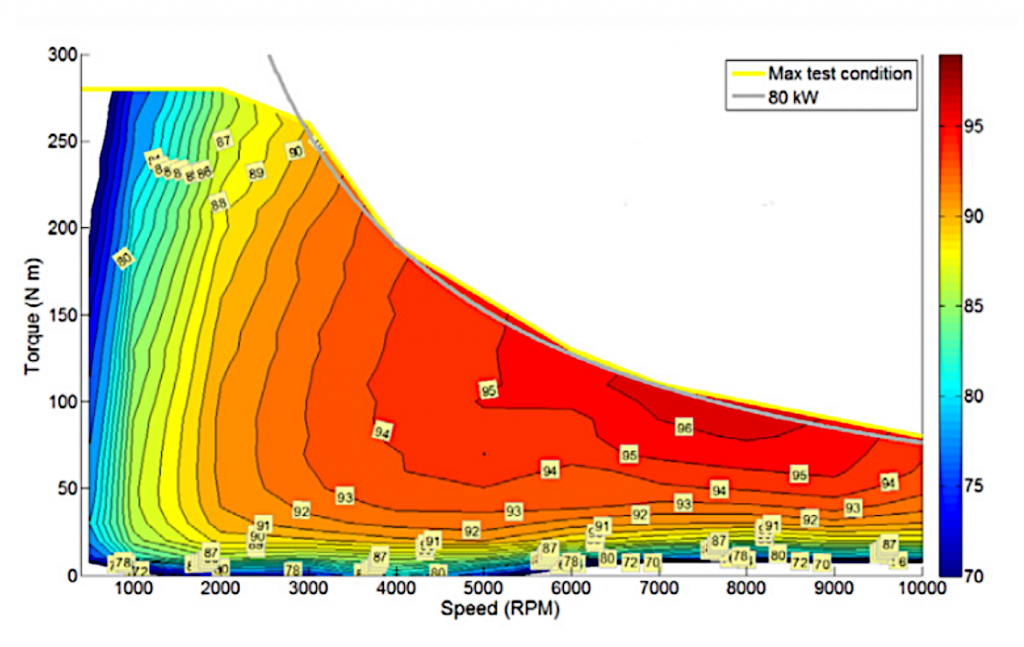
An electric motor is an essential component of an electric vehicle, responsible for converting electrical energy from the battery into mechanical energy, which propels the vehicle forward. Electric motors are highly efficient, with some models achieving efficiencies of over 90%. They are also characterized by their high torque output, smooth and quiet operation, and low maintenance requirements.
There are several types of electric motors used in EVs, including:
- Permanent Magnet (PM) Motor: This type of motor uses a permanent magnet as the rotor, which interacts with the stator's magnetic field to produce torque.
- Induction Motor (IM): This motor uses electromagnetic induction to produce torque, with the rotor being made of conductive material.
- Switched Reluctance (SR) Motor: This motor uses a reluctance rotor and a switched stator to produce torque.
Introduction to Inverters
An inverter is a critical component in an electric vehicle, responsible for converting the DC (direct current) power from the battery into AC (alternating current) power, which is then fed to the electric motor. The inverter plays a crucial role in controlling the motor's speed, torque, and efficiency.
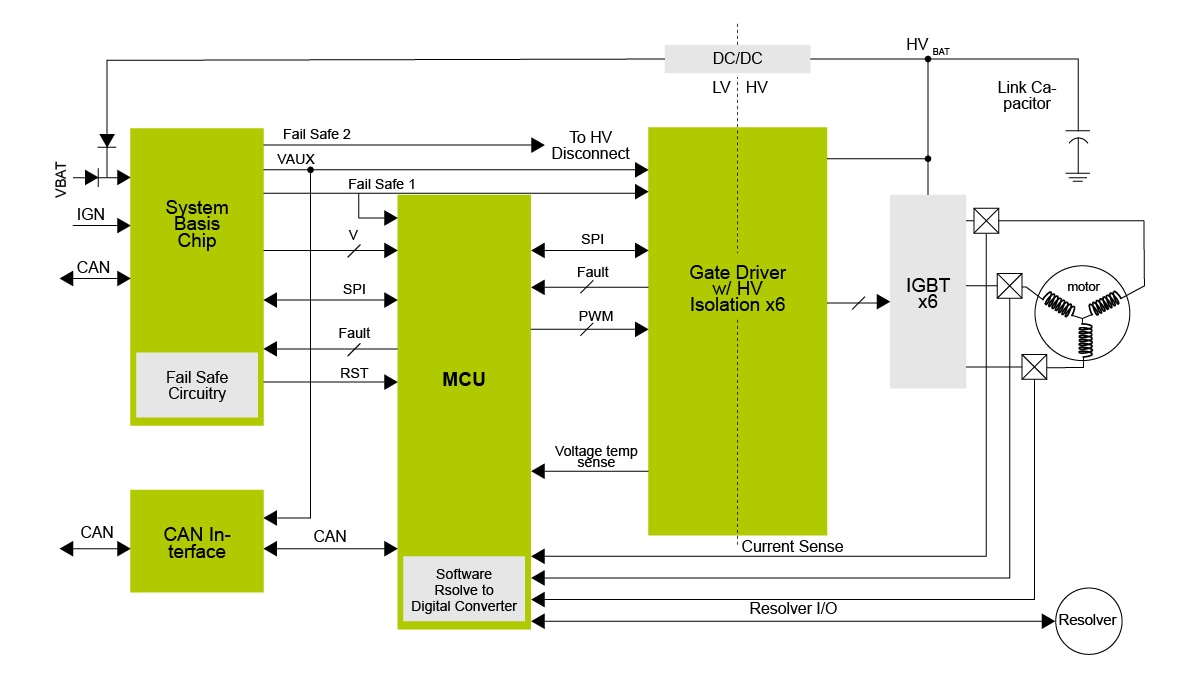
Inverters used in EVs are typically three-phase inverters, which consist of three legs, each controlling a phase of the motor. The inverter uses power electronics devices such as Insulated Gate Bipolar Transistors (IGBTs) or MOSFETs (Metal-Oxide-Semiconductor Field-Effect Transistors) to switch the DC power and produce the desired AC waveform.
Electric Motor and Inverter Diagram
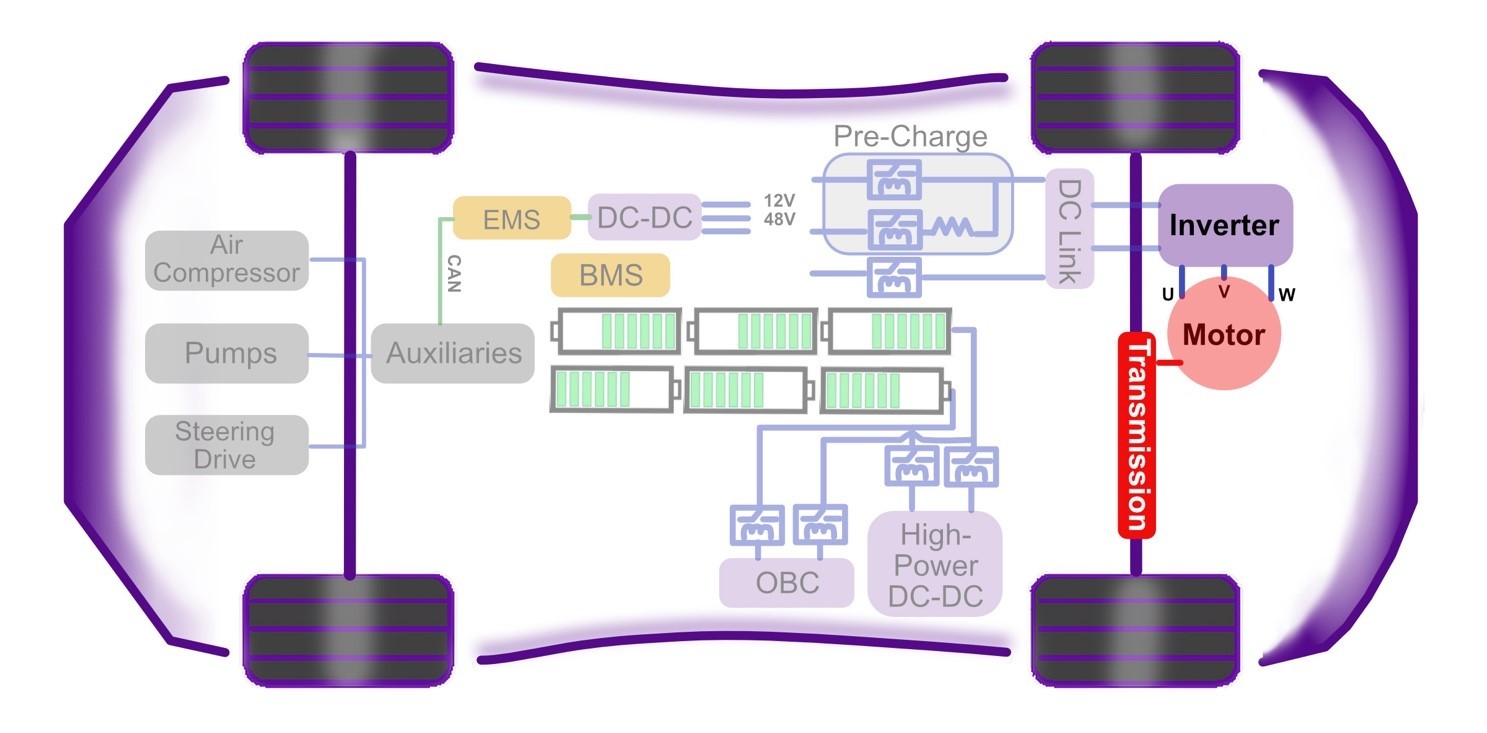
The electric motor and inverter diagram for an EV typically consists of the following components:
- Battery: The battery is the energy storage system of the EV, providing the DC power to the inverter.

- Inverter: The inverter converts the DC power from the battery into AC power, which is then fed to the motor.
- Motor: The motor converts the AC power from the inverter into mechanical energy, propelling the vehicle forward.
- Controller: The controller is the brain of the system, responsible for controlling the inverter and motor. It receives input from various sensors and sends control signals to the inverter to adjust the motor's speed, torque, and efficiency.
- Sensors: Various sensors are used to monitor the motor's speed, position, and temperature, as well as the battery's state of charge and voltage.

The diagram below illustrates a typical electric motor and inverter system for an EV:
                      +---------------+
                      |  Battery    |
                      +---------------+
                             |
                             |
                             v
                      +---------------+
                      |  Inverter    |
                      |  (DC-AC)    |
                      +---------------+
                             |
                             |
                             v
                      +---------------+
                      |  Motor      |
                      |  (AC)      |
                      +---------------+
                             |
                             |
                             v
                      +---------------+
                      |  Controller  |
                      |  ( Control    |
                      |   Signals)   |
                      +---------------+
                             |
                             |
                             v
                      +---------------+
                      |  Sensors    |
                      |  (Speed,     |
                      |   Position,  |
                      |   Temperature)|
                      +---------------+
Inverter Control Strategies
The inverter control strategy plays a crucial role in determining the efficiency, performance, and reliability of the electric motor and inverter system. Some common inverter control strategies used in EVs include:
- Vector Control: This strategy uses a complex algorithm to control the motor's torque and speed, providing high performance and efficiency.
- Field-Oriented Control (FOC): This strategy uses a mathematical model of the motor to control the torque and speed, providing high accuracy and stability.
- Direct Torque Control (DTC): This strategy uses a simple and robust algorithm to control the motor's torque and speed, providing high performance and efficiency.
Benefits of Electric Motors and Inverters in EVs
The use of electric motors and inverters in EVs offers several benefits, including:
- High Efficiency: Electric motors and inverters are highly efficient, with some models achieving efficiencies of over 90%.
- Low Maintenance: Electric motors and inverters require minimal maintenance, with no oil changes or filter replacements needed.
- Smooth and Quiet Operation: Electric motors and inverters provide a smooth and quiet operation, making them ideal for passenger vehicles.
- High Torque Output: Electric motors provide high torque output, making them ideal for high-performance vehicles.
- Reduced Emissions: Electric motors and inverters produce zero tailpipe emissions, reducing greenhouse gas emissions and air pollution.
Challenges and Future Developments
While electric motors and inverters have made significant progress in recent years, there are still several challenges and areas for future development, including:
- Cost Reduction: The high cost of electric motors and inverters is a major barrier to widespread adoption.
- Efficiency Improvement: Further improvements in efficiency are needed to reduce energy consumption and increase driving range.
- Thermal Management: Electric motors and inverters require advanced thermal management systems to operate efficiently and reliably.
- Standardization: Standardization of electric motor and inverter designs is needed to reduce costs and improve interoperability.
Conclusion
In conclusion, electric motors and inverters play a crucial role in the operation of electric vehicles, providing high efficiency, performance, and reliability. The electric motor and inverter diagram for an EV is a complex system that requires careful design and control to optimize performance and efficiency. As the EV industry continues to grow and evolve, advances in electric motor and inverter technology will be critical to improving driving range, reducing costs, and increasing adoption.