The wire size should be determined based on the maximum current and voltage of the system, as well as the distance between components. Using undersized wire can lead to overheating, reduced system efficiency, and equipment damage.
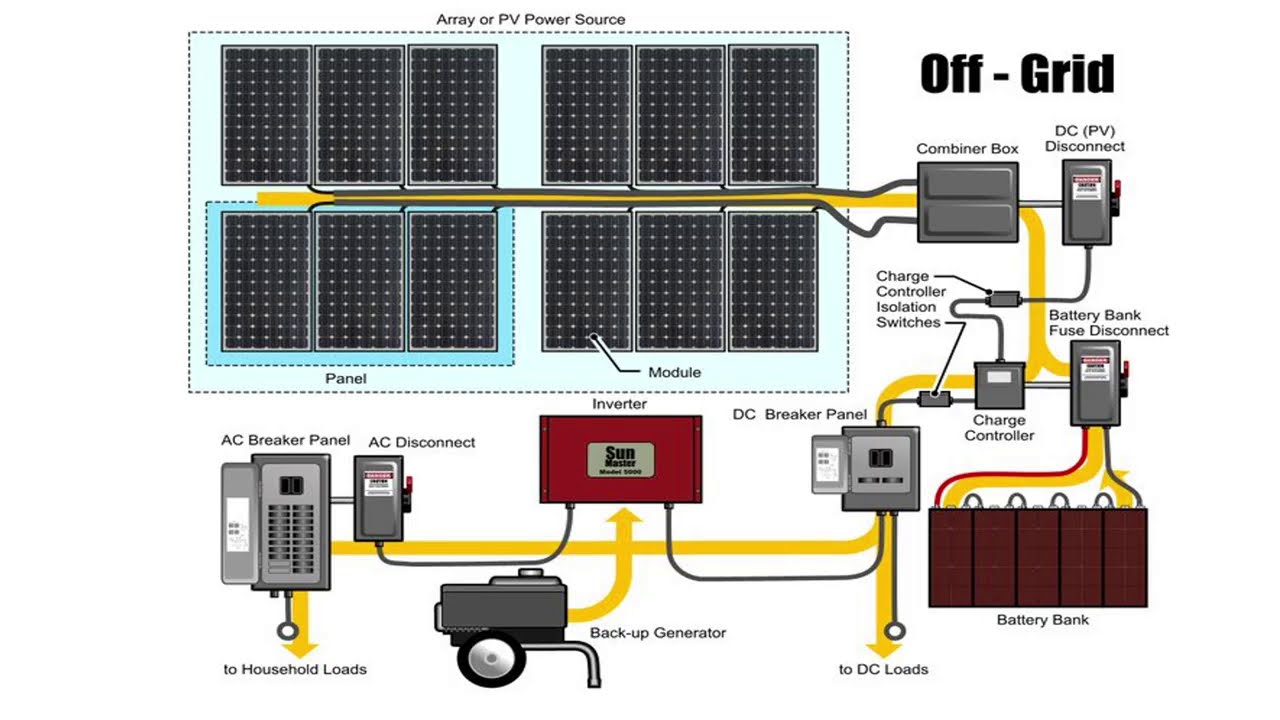
- Use the Correct Wire Type: The type of wire used for off-grid solar power systems should be suitable for outdoor use and resistant to UV radiation, moisture, and extreme temperatures. Common wire types used for off-grid solar power systems include THHN (Thermoplastic-Insulated) and UF (Underground Feeder) wire.
- Keep Wire Runs as Short as Possible: Minimizing wire runs can help reduce energy losses and improve system efficiency. Wire runs should be kept as short as possible, and wire should be routed in a way that minimizes exposure to heat sources, moisture, and physical damage.
- Use Protective Covers and Conduits: Protective covers and conduits should be used to protect wire from physical damage, moisture, and UV radiation. Conduits should be sized correctly and installed in accordance with local electrical codes.
- Grounding and Bonding: Grounding and bonding are critical for ensuring the safe operation of off-grid solar power systems. The system should be grounded to a suitable grounding point, such as a grounding rod or plate, and all metal components should be bonded together to prevent electrical shocks.
- Labeling and Documentation: All wire runs and components should be labeled and documented to ensure easy identification and troubleshooting. This includes labeling wire runs with their corresponding circuit numbers and documenting system configurations and settings.
- Compliance with Local Electrical Codes: Off-grid solar power systems should be designed and installed in compliance with local electrical codes and regulations. This includes compliance with the National Electric Code (NEC) and other relevant standards.
- Regular Inspection and Maintenance: Regular inspection and maintenance are critical for ensuring the safe and efficient operation of off-grid solar power systems. This includes inspecting wire runs and components for damage, wear, and corrosion, and performing routine maintenance tasks, such as cleaning and replacing components as needed.
Wiring Configurations for Off-Grid Solar Power Systems
Off-grid solar power systems can be wired in a variety of configurations, depending on the specific requirements of the system. The following are common wiring configurations for off-grid solar power systems:
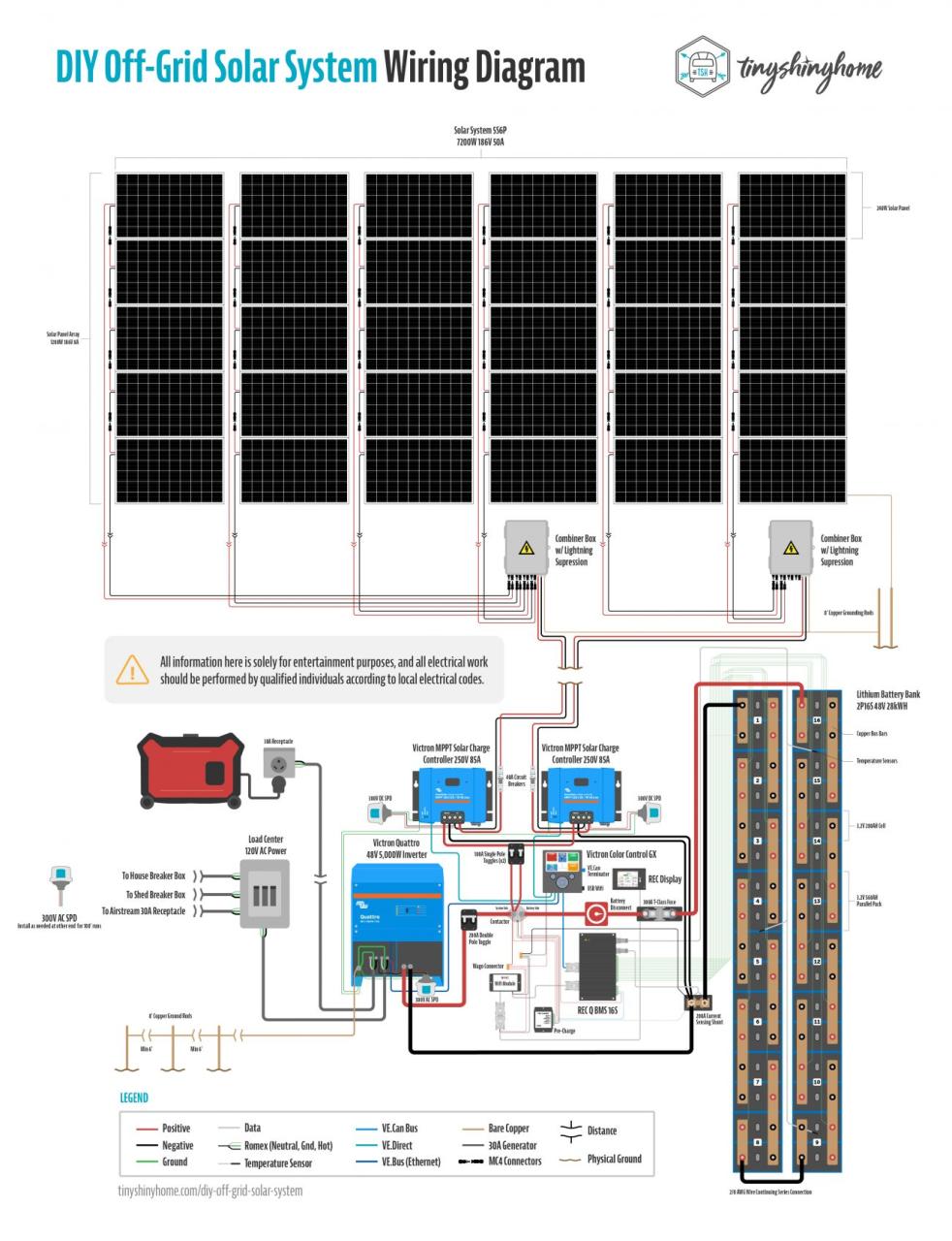
- Series Wiring: Series wiring involves connecting multiple solar panels in series to increase the voltage of the system. This configuration is commonly used for systems with high voltage requirements.
- Parallel Wiring: Parallel wiring involves connecting multiple solar panels in parallel to increase the current of the system. This configuration is commonly used for systems with high current requirements.
- Series-Parallel Wiring: Series-parallel wiring involves connecting multiple solar panels in a combination of series and parallel configurations to optimize system performance.
- Microinverter Wiring: Microinverter wiring involves connecting multiple microinverters in parallel to optimize system performance and reduce energy losses.
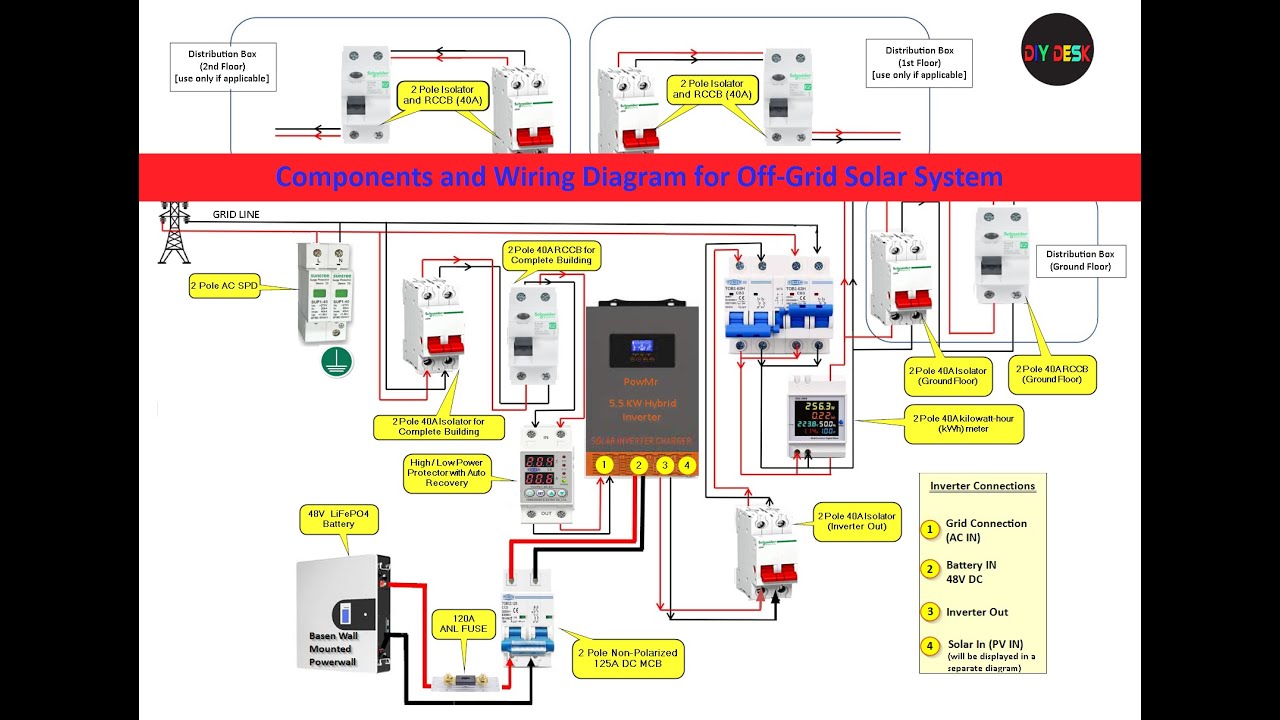
Common Wiring Mistakes to Avoid
The following are common wiring mistakes to avoid when designing and installing off-grid solar power systems:
- Undersized Wire: Using undersized wire can lead to overheating, reduced system efficiency, and equipment damage.
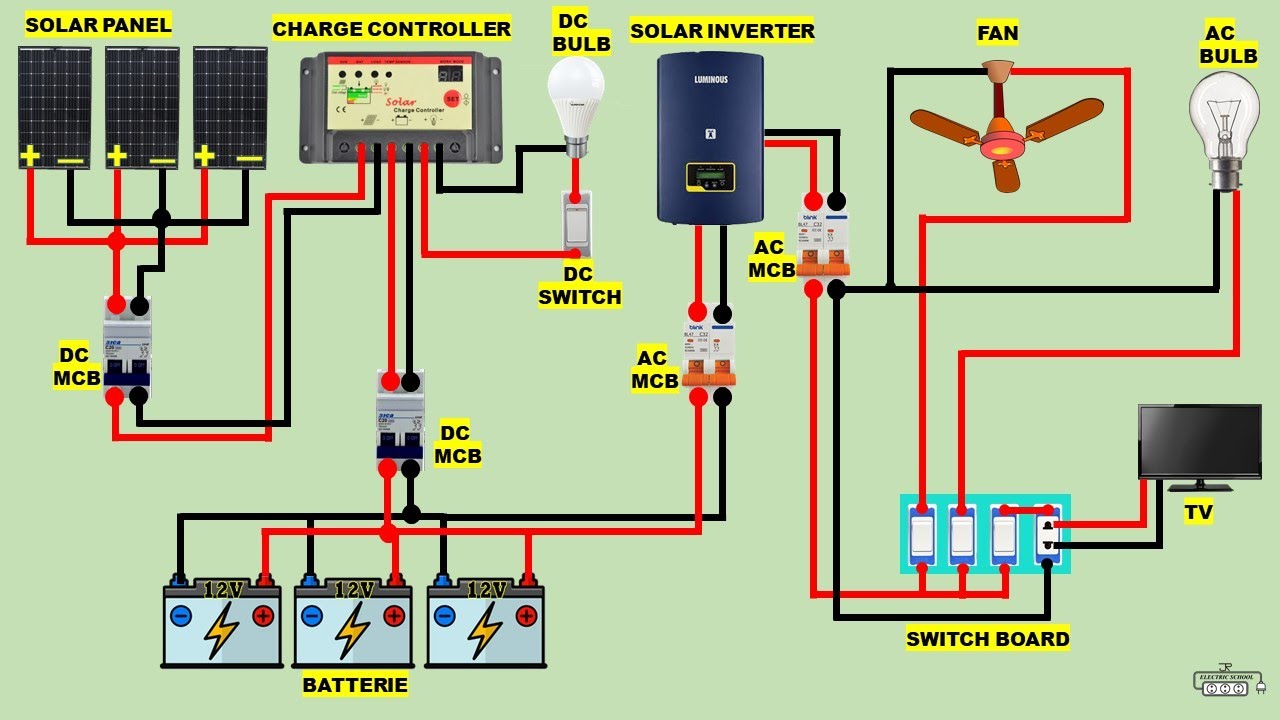
- Improper Grounding: Improper grounding can lead to electrical shocks and safety hazards.
- Incorrect Wire Routing: Incorrect wire routing can lead to exposure to heat sources, moisture, and physical damage.
- Inadequate Labeling and Documentation: Inadequate labeling and documentation can lead to difficulties in troubleshooting and maintenance.
- Non-Compliance with Local Electrical Codes: Non-compliance with local electrical codes can lead to safety hazards and liability issues.
Conclusion
Wiring off-grid solar power systems requires careful planning and attention to detail to ensure safe and efficient operation. By following best practices, such as using the correct wire size and type, keeping wire runs as short as possible, and using protective covers and conduits, individuals and communities can ensure the reliable and efficient operation of their off-grid solar power systems. Additionally, avoiding common wiring mistakes, such as undersized wire and improper grounding, can help prevent safety hazards and performance issues. By investing in proper wiring practices, individuals and communities can enjoy the benefits of off-grid solar power while minimizing the risks associated with improper wiring.
Recommendations
Based on the best practices and common wiring mistakes discussed in this article, the following recommendations are made:
- Hire a Qualified Electrician: Hiring a qualified electrician with experience in off-grid solar power systems can help ensure that the system is designed and installed correctly.
- Use High-Quality Components: Using high-quality components, such as wire and connectors, can help ensure the reliable and efficient operation of the system.
- Follow Local Electrical Codes: Following local electrical codes and regulations can help ensure that the system is installed safely and efficiently.
- Regularly Inspect and Maintain the System: Regularly inspecting and maintaining the system can help prevent safety hazards and performance issues.
- Consider Consulting with a Solar Power Expert: Consulting with a solar power expert can help individuals and communities design and install off-grid solar power systems that meet their specific needs and requirements.
By following these recommendations and best practices, individuals and communities can ensure the safe and efficient operation of their off-grid solar power systems and enjoy the benefits of renewable energy.


