As the demand for EVs continues to rise, it's essential to understand the various components that make up these vehicles. In this article, we'll delve into the electric vehicle components list, exploring the key parts that enable EVs to operate efficiently and effectively.
Introduction to Electric Vehicles
Before we dive into the components, let's briefly understand what electric vehicles are. EVs are vehicles that use electric motors powered by batteries, rather than traditional internal combustion engines that run on gasoline or diesel. EVs are designed to reduce greenhouse gas emissions, lower operating costs, and provide a smoother, quieter driving experience.
Electric Vehicle Components List
The following is a comprehensive list of electric vehicle components:
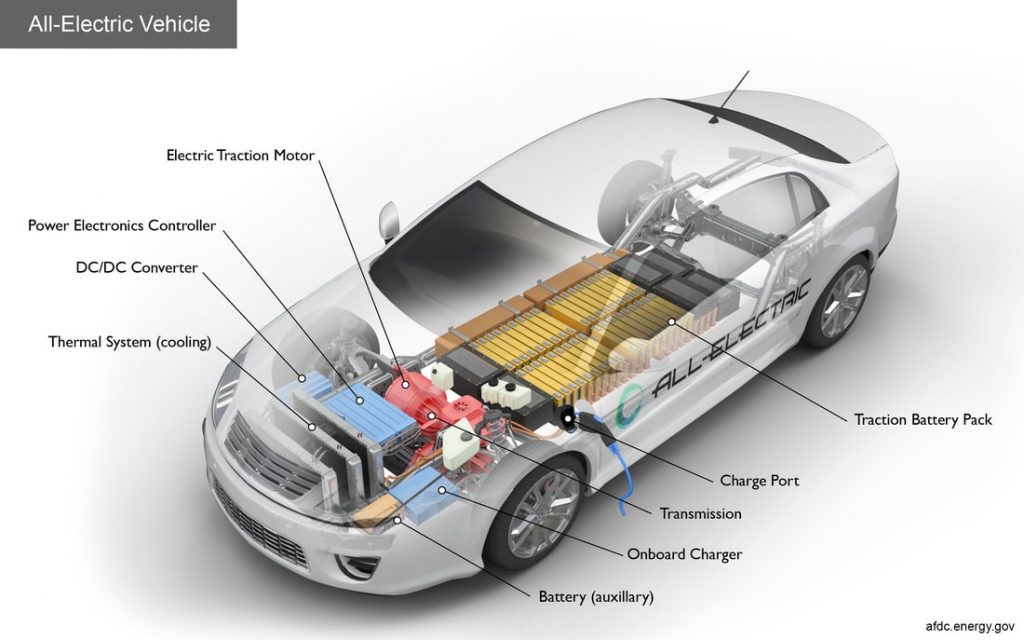
- Batteries: The battery is the heart of an EV, storing electrical energy that powers the vehicle. Most EVs use lithium-ion batteries, which offer high energy density, long lifespan, and relatively low self-discharge rates.
- Electric Motor: The electric motor converts electrical energy from the battery into mechanical energy, propelling the vehicle forward. There are several types of electric motors used in EVs, including permanent magnet motors, induction motors, and switched reluctance motors.
- Power Electronics: Power electronics, such as inverters and converters, play a crucial role in managing the flow of electrical energy between the battery, motor, and other components. They help regulate voltage, current, and frequency to ensure efficient and reliable operation.
- Transmission: While EVs don't require a traditional transmission like gasoline-powered vehicles, some models use a single-speed or multi-speed transmission to optimize motor performance and efficiency.
- Thermal Management System: EVs generate heat, particularly in the battery, motor, and power electronics. The thermal management system helps regulate temperature, preventing overheating and ensuring optimal performance and lifespan.

- Charging System: The charging system enables EVs to replenish their batteries from an external power source. This includes the charging port, charging cable, and onboard charger.
- Electrical Distribution System: The electrical distribution system, including wiring, fuses, and circuit breakers, distributes electrical energy throughout the vehicle, powering various components such as lights, wipers, and infotainment systems.
- Braking System: EVs use regenerative braking to capture kinetic energy and convert it back into electrical energy, which is then stored in the battery. The braking system also includes traditional friction brakes, which are used in conjunction with regenerative braking.
- Suspension and Steering: The suspension and steering systems in EVs are similar to those in traditional vehicles, providing a smooth ride, stable handling, and responsive steering.
- Body and Chassis: The body and chassis of an EV are designed to be lightweight, aerodynamic, and structurally sound, providing a safe and comfortable driving experience.

- Infotainment and Telematics: Modern EVs often feature advanced infotainment systems, including touch screens, navigation, and connectivity options like Bluetooth and Wi-Fi.
- Safety Features: EVs are equipped with various safety features, such as airbags, anti-lock braking systems (ABS), electronic stability control (ESC), and advanced driver-assistance systems (ADAS) like lane departure warning and adaptive cruise control.
Key Electric Vehicle Components: A Closer Look
Now that we've covered the comprehensive list of EV components, let's take a closer look at some of the key parts:

- Lithium-Ion Batteries: These batteries are the most common type used in EVs, offering high energy density, long lifespan, and relatively low self-discharge rates. Lithium-ion batteries are composed of cells, modules, and packs, which are designed to provide the required voltage, capacity, and power output.
- Electric Motors: Electric motors are the heart of an EV's propulsion system. They convert electrical energy into mechanical energy, enabling the vehicle to move. There are several types of electric motors used in EVs, including permanent magnet motors, induction motors, and switched reluctance motors. Each type has its own advantages and disadvantages, and the choice of motor depends on the specific application and vehicle design.
- Power Electronics: Power electronics play a critical role in managing the flow of electrical energy between the battery, motor, and other components. They help regulate voltage, current, and frequency to ensure efficient and reliable operation. Power electronics include components like inverters, converters, and filters, which are designed to optimize system performance and minimize energy losses.
Challenges and Opportunities in Electric Vehicle Component Development
As the demand for EVs continues to grow, manufacturers face several challenges and opportunities in component development:
- Battery Technology: Improving battery technology is critical to increasing EV range, reducing charging times, and lowering costs. Researchers are working on developing new battery chemistries, such as solid-state batteries, sodium-ion batteries, and lithium-air batteries.
- Electric Motor Efficiency: Electric motors can be optimized for higher efficiency, reducing energy losses and increasing overall system performance. Manufacturers are exploring new motor designs, materials, and control strategies to achieve this goal.
- Power Electronics: Advancements in power electronics can help reduce energy losses, improve system reliability, and increase overall efficiency. Researchers are working on developing new power electronic components, such as wide bandgap semiconductors, and improving existing technologies.
- Thermal Management: Effective thermal management is essential to ensuring optimal performance, lifespan, and safety of EV components. Manufacturers are developing new thermal management systems, including advanced cooling systems, materials, and designs.
Conclusion
In conclusion, electric vehicles are complex systems that rely on a wide range of components to operate efficiently and effectively. From batteries and electric motors to power electronics and thermal management systems, each component plays a critical role in enabling EVs to provide a sustainable, environmentally friendly, and enjoyable driving experience. As the demand for EVs continues to grow, manufacturers must address the challenges and opportunities in component development, driving innovation and improvement in EV technology. By understanding the electric vehicle components list and the key parts that make up these vehicles, we can better appreciate the complexity and sophistication of EVs and look forward to a future where sustainable transportation is the norm.
Future Outlook
As the world transitions towards a more sustainable and environmentally friendly transportation system, EVs will play an increasingly important role. Governments, manufacturers, and consumers must work together to drive adoption, investment, and innovation in EV technology. The future of EVs looks bright, with advancements in battery technology, electric motors, and power electronics expected to improve range, efficiency, and affordability. Additionally, the development of new business models, such as vehicle-to-grid (V2G) and car-sharing services, will help increase EV adoption and create new opportunities for sustainable transportation.
Recommendations
To accelerate the adoption of EVs and drive innovation in component development, we recommend:
- Increased Investment in Research and Development: Governments and manufacturers should invest in research and development to improve EV technology, reduce costs, and increase efficiency.
- Expansion of Charging Infrastructure: Governments and private companies should work together to expand charging infrastructure, making it easier and more convenient for consumers to charge their EVs.
- Education and Awareness: Educational programs and awareness campaigns can help increase consumer knowledge and understanding of EV benefits, dispelling myths and misconceptions about these vehicles.
- Incentives and Policies: Governments should implement incentives and policies to encourage EV adoption, such as tax credits, rebates, and low-emission zones.
By following these recommendations and driving innovation in EV component development, we can create a sustainable, efficient, and enjoyable transportation system for generations to come.