Solar power kits have made it easier for individuals to harness the energy of the sun and reduce their reliance on fossil fuels. However, to ensure that your solar power kit operates efficiently and safely, it's essential to understand the importance of MPPT (Maximum Power Point Tracking) controller wiring.

In this article, we'll delve into the world of MPPT controller wiring, exploring the basics, benefits, and best practices for connecting your solar power kit. Whether you're a seasoned solar enthusiast or just starting out, this comprehensive guide will provide you with the knowledge you need to get the most out of your solar power system.
What is an MPPT Controller?
An MPPT controller is a critical component of a solar power kit, responsible for regulating the flow of energy between the solar panels and the battery bank. MPPT stands for Maximum Power Point Tracking, which refers to the controller's ability to optimize energy production by tracking the maximum power point of the solar panels.
The MPPT controller continuously monitors the voltage and current output of the solar panels, adjusting the charge voltage to ensure that the maximum amount of energy is extracted from the panels. This is particularly important in situations where the solar panels are exposed to varying levels of sunlight, such as during periods of partial shading or changing weather conditions.
Benefits of MPPT Controllers
MPPT controllers offer several benefits over traditional charge controllers, including:
- Increased Energy Harvesting: MPPT controllers can increase energy production by up to 30% compared to traditional charge controllers.
- Improved Efficiency: MPPT controllers optimize energy transfer, reducing energy loss and heat buildup.
- Enhanced System Reliability: MPPT controllers provide real-time monitoring and control, enabling you to identify and address potential issues before they become major problems.

- Flexibility: MPPT controllers can handle a wide range of solar panel configurations and battery types, making them suitable for a variety of solar power kits.
MPPT Controller Wiring Basics
When it comes to MPPT controller wiring, there are several key considerations to keep in mind:
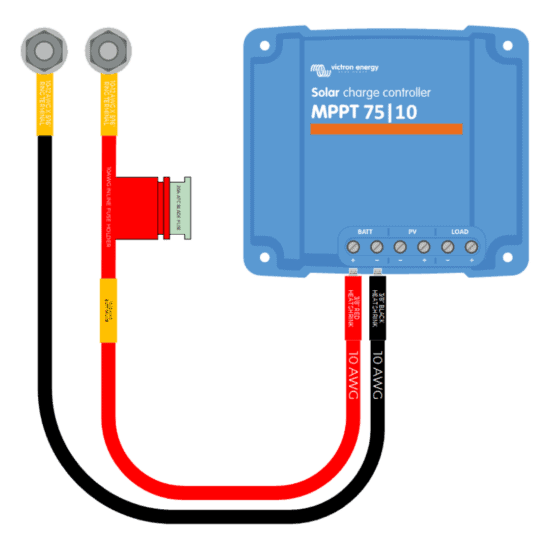
- Solar Panel Configuration: Ensure that your solar panels are configured correctly, taking into account the voltage and current ratings of the panels and the MPPT controller.
- Battery Bank Configuration: Configure your battery bank to match the voltage and capacity requirements of your solar power kit.
- Wiring and Cabling: Use high-quality wiring and cabling that meets the ampacity and voltage requirements of your system.
- Grounding and Bonding: Ensure that your system is properly grounded and bonded to prevent electrical shock and equipment damage.

Step-by-Step MPPT Controller Wiring Guide
To help you get started with MPPT controller wiring, follow these step-by-step instructions:
- Connect the Solar Panels: Connect the solar panels to the MPPT controller, ensuring that the voltage and current ratings match.
- Connect the Battery Bank: Connect the battery bank to the MPPT controller, ensuring that the voltage and capacity ratings match.
- Connect the Load: Connect the load (e.g., inverter, lights, etc.) to the battery bank, ensuring that the voltage and current ratings match.
- Connect the Grounding and Bonding: Connect the grounding and bonding wires to the system, ensuring that all components are properly grounded and bonded.
- Configure the MPPT Controller: Configure the MPPT controller according to the manufacturer's instructions, setting parameters such as charge voltage, charge current, and discharge voltage.
Best Practices for MPPT Controller Wiring
To ensure safe and efficient operation of your solar power kit, follow these best practices for MPPT controller wiring:
- Use High-Quality Wiring and Cabling: Use high-quality wiring and cabling that meets the ampacity and voltage requirements of your system.
- Avoid Overheating: Ensure that your system is properly ventilated and that components are not exposed to excessive heat.
- Monitor System Performance: Regularly monitor your system's performance, using tools such as battery monitors and solar panel monitoring systems.
- Follow Manufacturer Instructions: Follow the manufacturer's instructions for the MPPT controller, solar panels, and battery bank to ensure compatibility and optimal performance.
- Consider Professional Installation: Consider hiring a professional solar installer to ensure that your system is installed and wired correctly.
Common MPPT Controller Wiring Mistakes
To avoid common mistakes when wiring your MPPT controller, be aware of the following:
- Incorrect Solar Panel Configuration: Ensure that your solar panels are configured correctly to match the voltage and current ratings of the MPPT controller.
- Incorrect Battery Bank Configuration: Ensure that your battery bank is configured correctly to match the voltage and capacity requirements of the solar power kit.
- Insufficient Grounding and Bonding: Ensure that your system is properly grounded and bonded to prevent electrical shock and equipment damage.
- Overloading the System: Avoid overloading the system by connecting too many components or excessive loads.
Conclusion
MPPT controller wiring is a critical aspect of solar power kit installation, requiring careful attention to detail and a thorough understanding of the system's components and requirements. By following the guidelines and best practices outlined in this article, you can ensure safe and efficient operation of your solar power kit, maximizing energy production and minimizing the risk of equipment damage or electrical shock.
Remember to always consult the manufacturer's instructions for the MPPT controller, solar panels, and battery bank, and consider hiring a professional solar installer if you're unsure about any aspect of the installation process. With the right knowledge and expertise, you can enjoy the benefits of solar power while minimizing the risks associated with incorrect wiring and installation.
Additional Resources
For further information on MPPT controller wiring and solar power kits, refer to the following resources:
- National Electric Code (NEC) guidelines for solar power systems
- Manufacturer's instructions for MPPT controllers, solar panels, and battery banks
- Online forums and communities dedicated to solar power and renewable energy
- Professional solar installation training programs and workshops
By staying informed and up-to-date on the latest developments in solar power technology and installation best practices, you can ensure that your solar power kit operates safely and efficiently, providing you with a reliable source of renewable energy for years to come.


