An off-grid solar power system allows homeowners to generate their own electricity, reducing their reliance on the grid and minimizing their environmental footprint. A crucial component of an off-grid solar power system is the solar inverter, which converts DC power from solar panels into AC power that can be used in homes. In this article, we will delve into the world of off-grid solar inverter wiring for homes, exploring the essentials, best practices, and safety considerations.
Introduction to Off-Grid Solar Power Systems
An off-grid solar power system is designed to operate independently of the grid, providing a reliable source of electricity for homes and businesses. The system consists of solar panels, a charge controller, a battery bank, and a solar inverter. Solar panels generate DC power, which is then sent to the charge controller, which regulates the flow of energy to the battery bank. The battery bank stores excess energy for use during periods of low sunlight or at night. The solar inverter converts DC power from the battery bank into AC power, which can be used to power homes and appliances.
Solar Inverter Wiring Basics
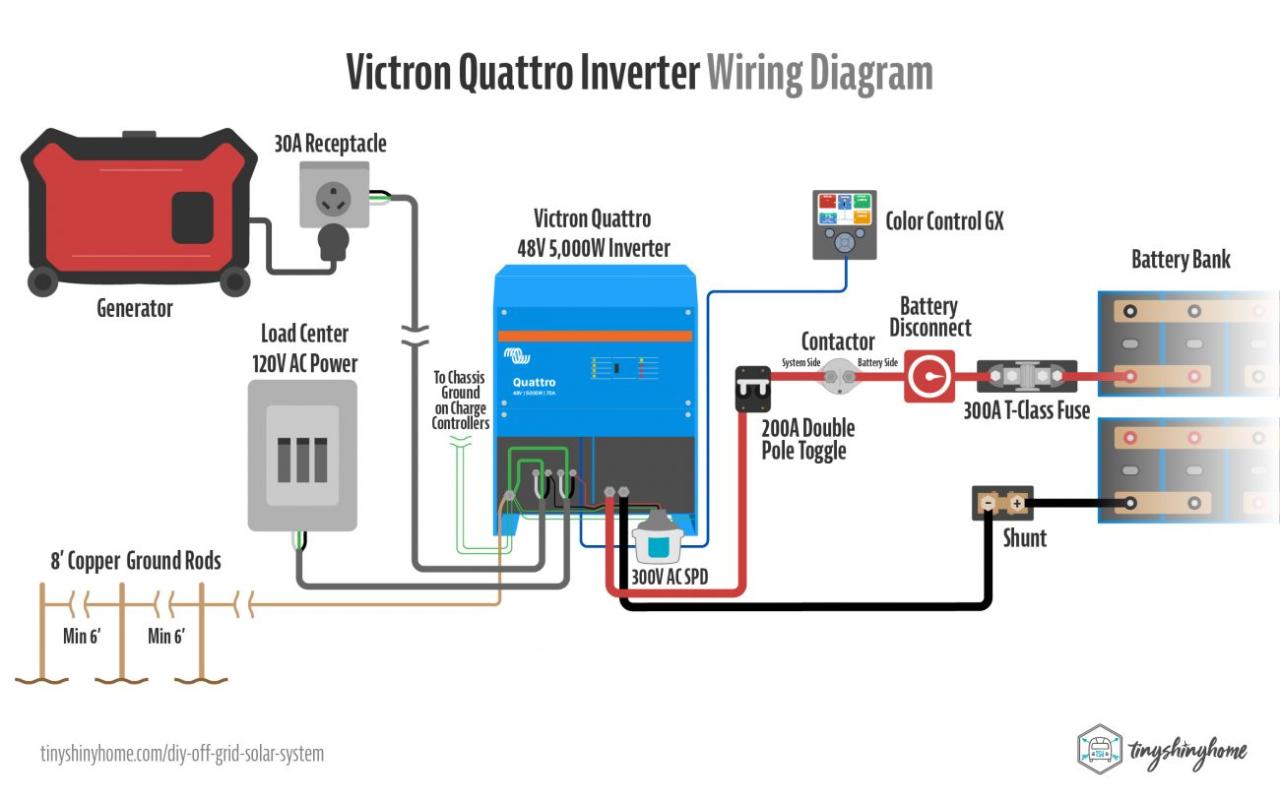
Solar inverter wiring involves connecting the solar inverter to the battery bank, solar panels, and load center (main electrical panel). The wiring process requires careful planning and attention to detail to ensure safe and efficient operation. Here are the basic components involved in solar inverter wiring:
- Solar Inverter: Converts DC power from the battery bank into AC power for use in homes.
- Battery Bank: Stores excess energy generated by solar panels for use during periods of low sunlight or at night.
- Solar Panels: Generate DC power, which is sent to the charge controller and then to the battery bank.
- Charge Controller: Regulates the flow of energy from solar panels to the battery bank.
- Load Center (Main Electrical Panel): Distributes AC power from the solar inverter to various circuits and outlets in the home.

Wiring Considerations
When wiring an off-grid solar inverter, several factors must be considered to ensure safe and efficient operation:
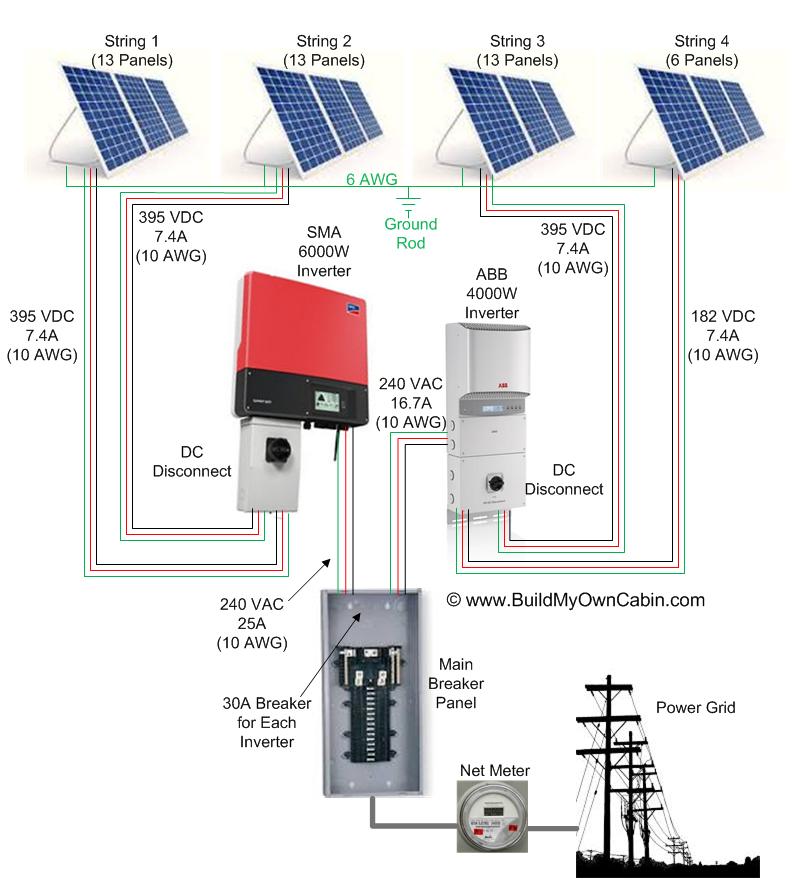
- Voltage and Current: The solar inverter must be compatible with the voltage and current requirements of the battery bank and solar panels.

- Wire Sizing: Wire sizing is critical to ensure safe and efficient energy transfer. Undersized wires can lead to overheating, fires, and reduced system efficiency.
- Grounding: Proper grounding is essential to prevent electrical shock and ensure safe operation.
- Overcurrent Protection: Overcurrent protection devices, such as fuses or circuit breakers, must be installed to prevent damage to the solar inverter and other system components.
- Conduit and Cable Management: Conduits and cables must be properly secured and managed to prevent damage and ensure safe operation.
Best Practices for Solar Inverter Wiring
To ensure safe and efficient operation, follow these best practices for solar inverter wiring:
- Hire a Licensed Electrician: If you're not experienced with electrical wiring, hire a licensed electrician to perform the installation.
- Follow Manufacturer Instructions: Follow the manufacturer's instructions for the solar inverter, battery bank, and other system components.
- Use Compatible Components: Ensure that all system components are compatible with each other and meet the required specifications.
- Perform Regular Maintenance: Regularly inspect and maintain the system to ensure safe and efficient operation.
- Test the System: Test the system thoroughly before energizing it to ensure that all components are functioning correctly.
Safety Considerations
Safety is paramount when working with electrical systems. Here are some safety considerations to keep in mind:
- Electrical Shock: Electrical shock can occur when working with live electrical systems. Ensure that all components are de-energized before performing maintenance or repairs.
- Fire Risk: Electrical systems can be a fire hazard if not installed or maintained properly. Ensure that all components are installed and maintained according to the manufacturer's instructions.
- Personal Protective Equipment: Wear personal protective equipment, such as gloves and safety glasses, when working with electrical systems.
- Lockout/Tagout: Follow lockout/tagout procedures to prevent accidental energization of the system during maintenance or repairs.
Off-Grid Solar Inverter Wiring Diagrams
A wiring diagram is essential for understanding the connections between system components. Here is a basic wiring diagram for an off-grid solar inverter:
- Solar panels -> Charge controller -> Battery bank -> Solar inverter -> Load center (main electrical panel)
- Solar inverter -> Grounding system (ground rod, grounding bus, etc.)
Conclusion
Off-grid solar inverter wiring for homes requires careful planning, attention to detail, and a thorough understanding of electrical systems. By following best practices, safety considerations, and manufacturer instructions, homeowners can ensure safe and efficient operation of their off-grid solar power system. Remember to hire a licensed electrician if you're not experienced with electrical wiring, and perform regular maintenance to ensure optimal system performance.
Additional Resources
For more information on off-grid solar inverter wiring, consult the following resources:
- National Electric Code (NEC) articles 690 and 705
- International Association of Electrical Inspectors (IAEI) guidelines
- Manufacturer instructions for solar inverters, battery banks, and other system components
- Online forums and discussion groups for off-grid solar enthusiasts
By following the guidelines outlined in this article, homeowners can enjoy the benefits of off-grid solar power while ensuring safe and efficient operation of their system. Remember to always prioritize safety and follow best practices when working with electrical systems.


