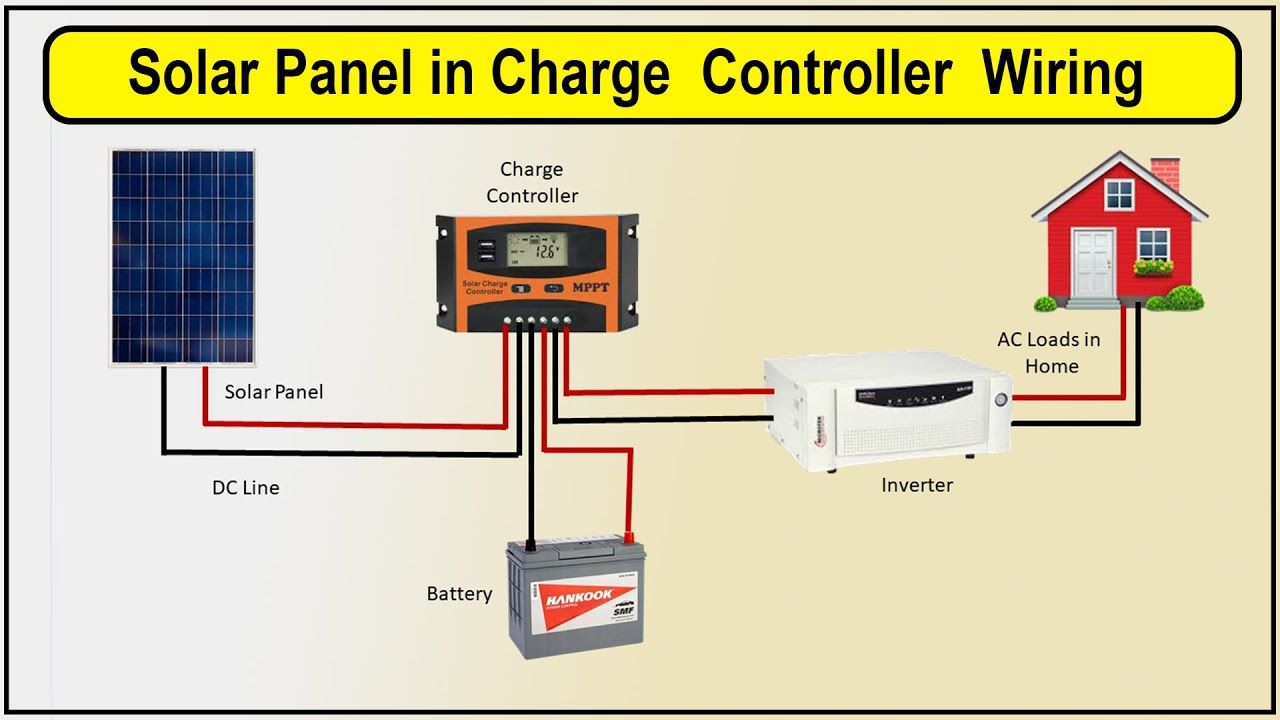
Solar panels offer a clean, efficient, and cost-effective way to generate electricity, making them an ideal solution for agricultural applications. However, to ensure maximum energy production and system reliability, proper wiring of solar panels and Maximum Power Point Tracking (MPPT) controllers is crucial. In this article, we will delve into the world of solar panel and MPPT controller wiring for farm installations, covering the basics, best practices, and common pitfalls to avoid.

Solar Panel Basics
Before diving into wiring, it's essential to understand the basics of solar panels. A solar panel, also known as a photovoltaic (PV) panel, converts sunlight into electrical energy. Solar panels are made up of multiple photovoltaic cells, which are wired together in a series-parallel configuration to produce a specific voltage and current output. The voltage and current output of a solar panel depend on factors such as the number of cells, cell efficiency, and the amount of sunlight it receives.
MPPT Controller Basics
An MPPT controller is an essential component in a solar power system, responsible for maximizing energy production by tracking the maximum power point (MPP) of the solar panel array. The MPP is the point at which the solar panel produces its maximum power output, taking into account factors such as temperature, irradiance, and panel efficiency. An MPPT controller ensures that the solar panel array operates at its optimal voltage and current, resulting in maximum energy production and efficiency.
Wiring Solar Panels
Wiring solar panels involves connecting multiple panels together in a series-parallel configuration to achieve the desired voltage and current output. The wiring configuration depends on the specific application, system design, and local electrical codes. Here are some general guidelines for wiring solar panels:
- Series Wiring: Connecting solar panels in series increases the overall voltage output of the system. For example, connecting two 12V panels in series will produce a 24V output.
- Parallel Wiring: Connecting solar panels in parallel increases the overall current output of the system. For example, connecting two 12V panels in parallel will produce a 12V output with double the current.
- Series-Parallel Wiring: Connecting solar panels in a series-parallel configuration allows for a combination of both series and parallel wiring. This configuration is commonly used in large solar panel arrays.
Wiring MPPT Controllers
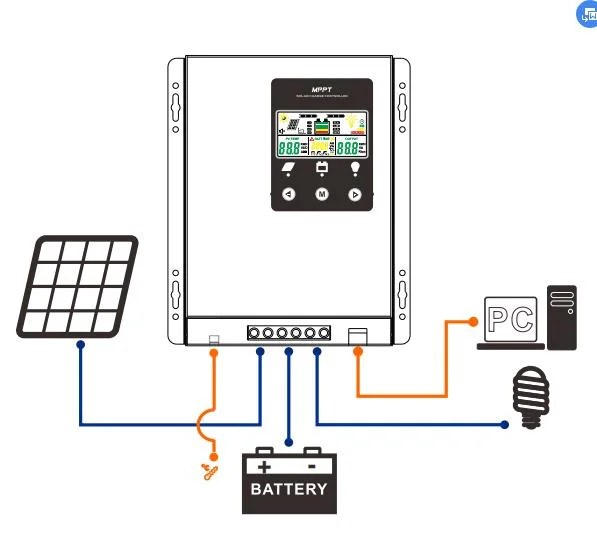
Wiring an MPPT controller involves connecting the solar panel array to the controller, and then connecting the controller to the battery bank or load. Here are some general guidelines for wiring MPPT controllers:
- Solar Panel Input: Connect the solar panel array to the MPPT controller, ensuring that the voltage and current output of the array matches the controller's input specifications.
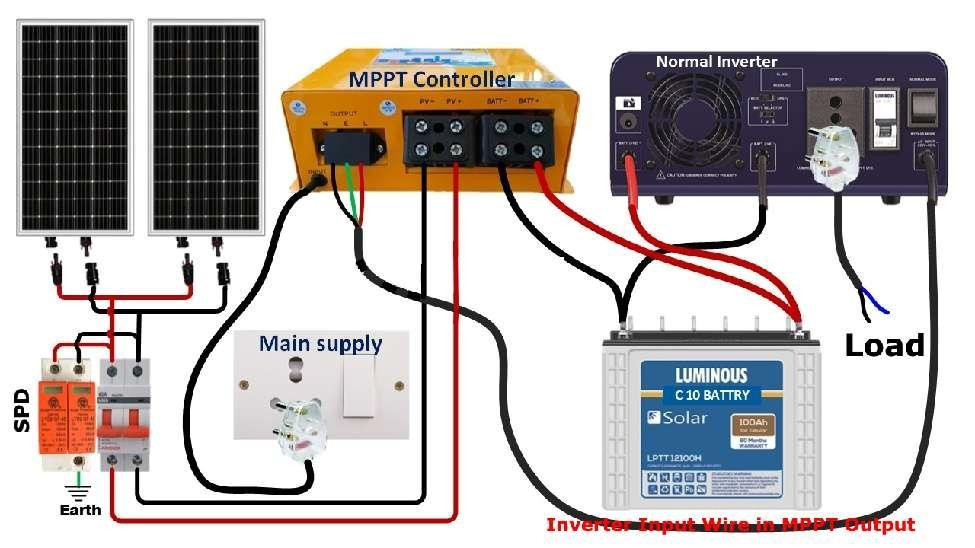
- Battery Bank Connection: Connect the MPPT controller to the battery bank, ensuring that the voltage and current output of the controller matches the battery bank's specifications.
- Load Connection: Connect the MPPT controller to the load, such as a farm appliance or lighting system, ensuring that the voltage and current output of the controller matches the load's specifications.
Best Practices for Wiring Solar Panels and MPPT Controllers
To ensure a safe, efficient, and reliable solar power system, follow these best practices for wiring solar panels and MPPT controllers:
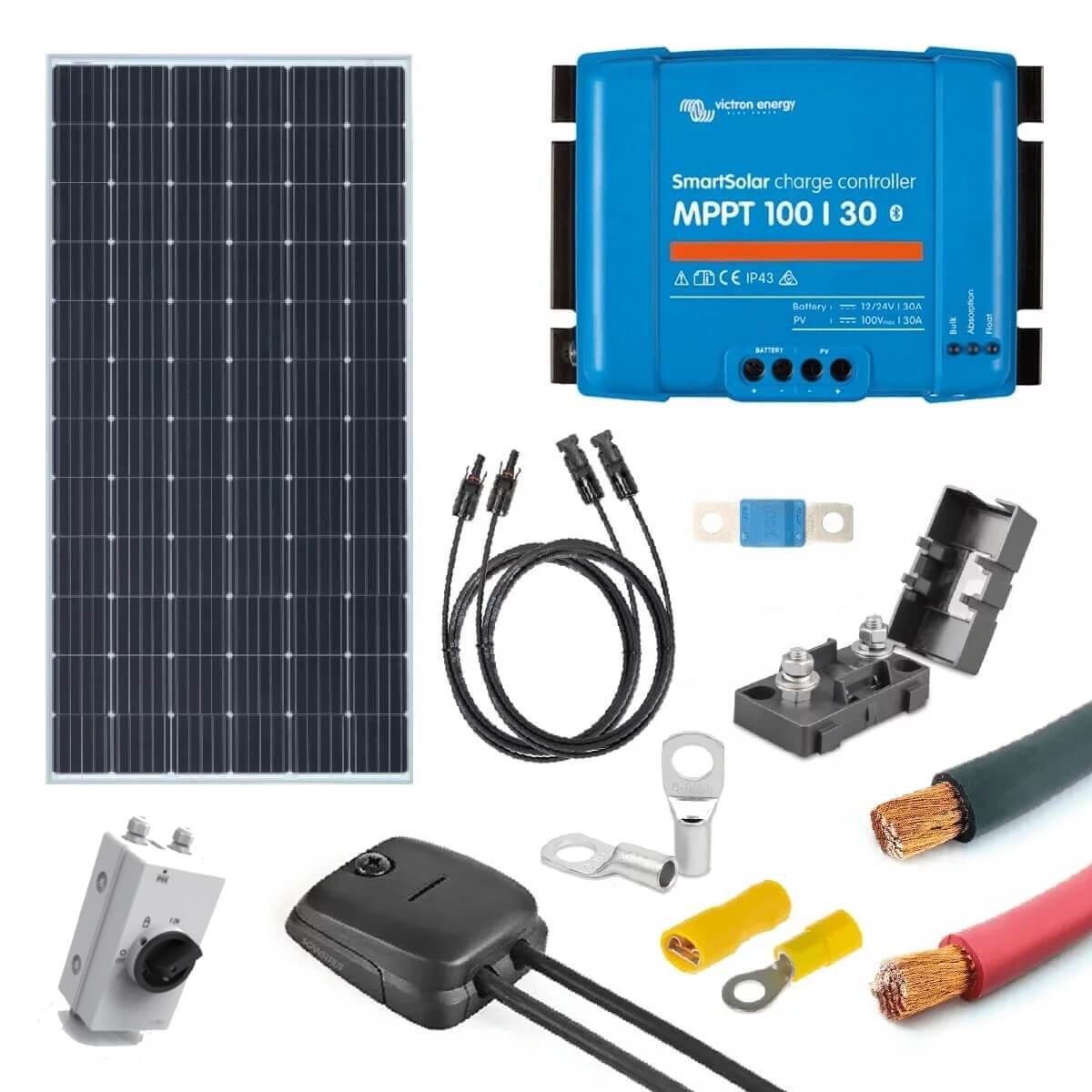
- Use High-Quality Cables and Connectors: Use high-quality, UV-resistant cables and connectors to minimize energy losses and ensure a reliable connection.
- Follow Local Electrical Codes: Follow local electrical codes and regulations, such as the National Electric Code (NEC) in the United States, to ensure a safe and compliant installation.
- Label and Document the System: Label and document the solar panel array, MPPT controller, and wiring configuration to ensure easy maintenance and troubleshooting.
- Use Fuses and Circuit Breakers: Use fuses and circuit breakers to protect the system from overcurrent and short-circuit conditions.
- Monitor System Performance: Monitor system performance regularly to ensure maximum energy production and identify potential issues.
Common Pitfalls to Avoid
When wiring solar panels and MPPT controllers, avoid the following common pitfalls:
- Incorrect Wiring Configuration: Ensure that the wiring configuration matches the system design and specifications to avoid energy losses and system damage.
- Insufficient Cable Sizing: Ensure that cable sizing is sufficient to handle the maximum current output of the solar panel array and MPPT controller.
- Poor Connection Quality: Ensure that connections are secure, clean, and free of corrosion to minimize energy losses and ensure a reliable connection.
- Inadequate Grounding: Ensure that the system is properly grounded to prevent electrical shock and ensure a safe installation.
- Lack of Maintenance: Regularly inspect and maintain the system to ensure maximum energy production and identify potential issues.
Case Study: Farm Installation
A farm in rural California installed a 10kW solar power system to power their irrigation system, lighting, and appliances. The system consists of 40 solar panels, each with a 250W output, connected in a series-parallel configuration. The solar panel array is connected to an MPPT controller, which is then connected to a 24V battery bank and a 240V inverter. The system is designed to provide a reliable and efficient source of energy, reducing the farm's reliance on grid power and minimizing their carbon footprint.
Conclusion
Wiring solar panels and MPPT controllers for farm installations requires careful planning, attention to detail, and adherence to best practices. By following the guidelines outlined in this article, farmers and solar installers can ensure a safe, efficient, and reliable solar power system that meets their energy needs and contributes to a sustainable future. Remember to always follow local electrical codes, use high-quality cables and connectors, and monitor system performance regularly to ensure maximum energy production and identify potential issues. With proper wiring and maintenance, a solar power system can provide years of reliable service, reducing energy costs and minimizing environmental impact.