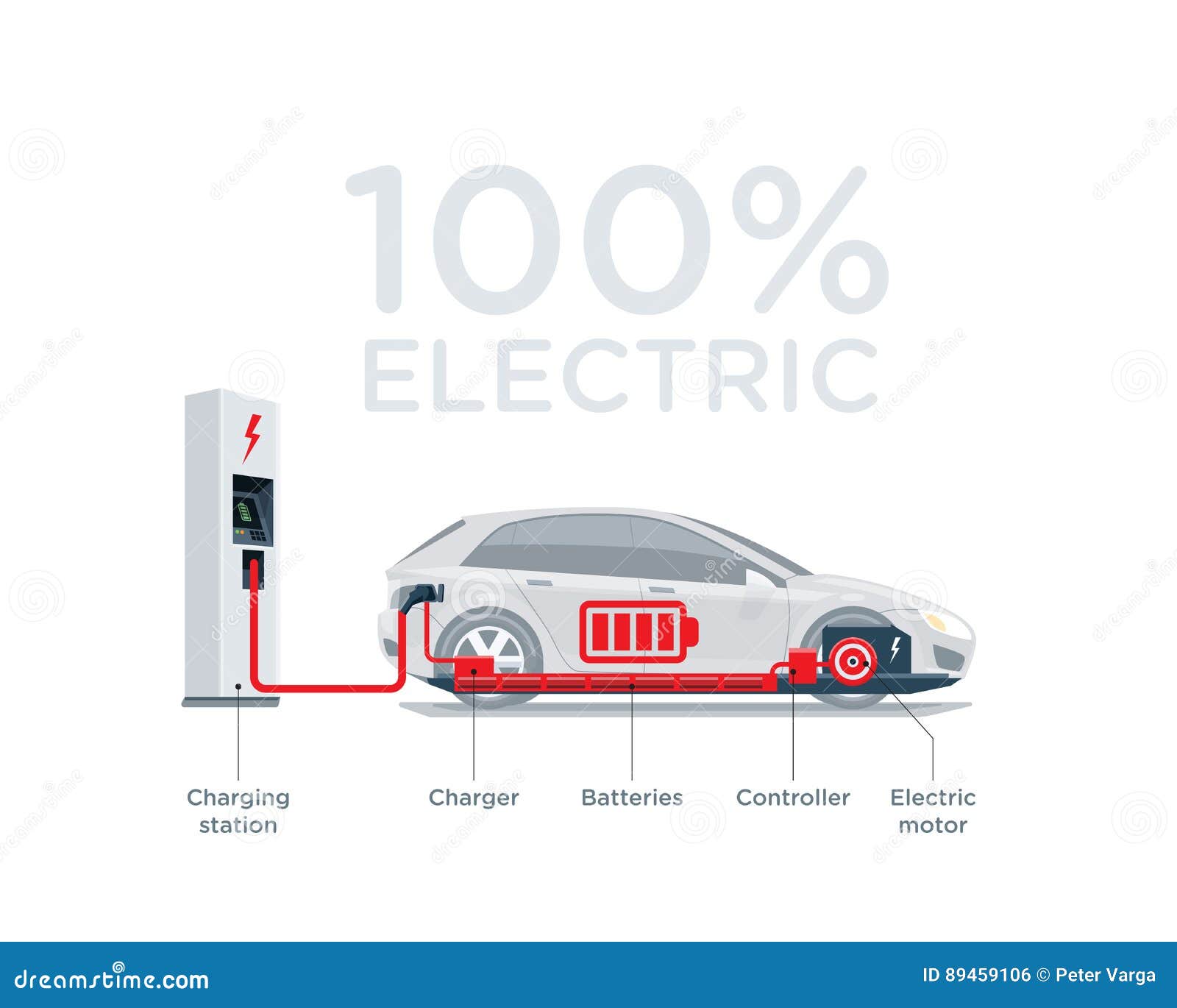
As the adoption of EVs grows, the demand for electric vehicle charging stations is also on the rise. A charging station is a critical infrastructure that enables EV owners to recharge their vehicles, making it an essential component of the EV ecosystem. In this article, we will delve into the components of an electric vehicle charging station, exploring the various parts that make up a charging station and their functions.
Introduction to Electric Vehicle Charging Stations
An electric vehicle charging station, also known as an EV charging station or EVSE (Electric Vehicle Supply Equipment), is a device that supplies electric energy to recharge electric vehicles. Charging stations can be found in various locations, including public parking lots, shopping malls, and residential areas. They come in different types, ranging from Level 1 (120V) to Level 3 (DC Fast Charging), each with its own set of components and capabilities.
Components of Electric Vehicle Charging Station
A typical electric vehicle charging station consists of several components that work together to provide a safe and efficient charging experience. The following are the main components of an electric vehicle charging station:
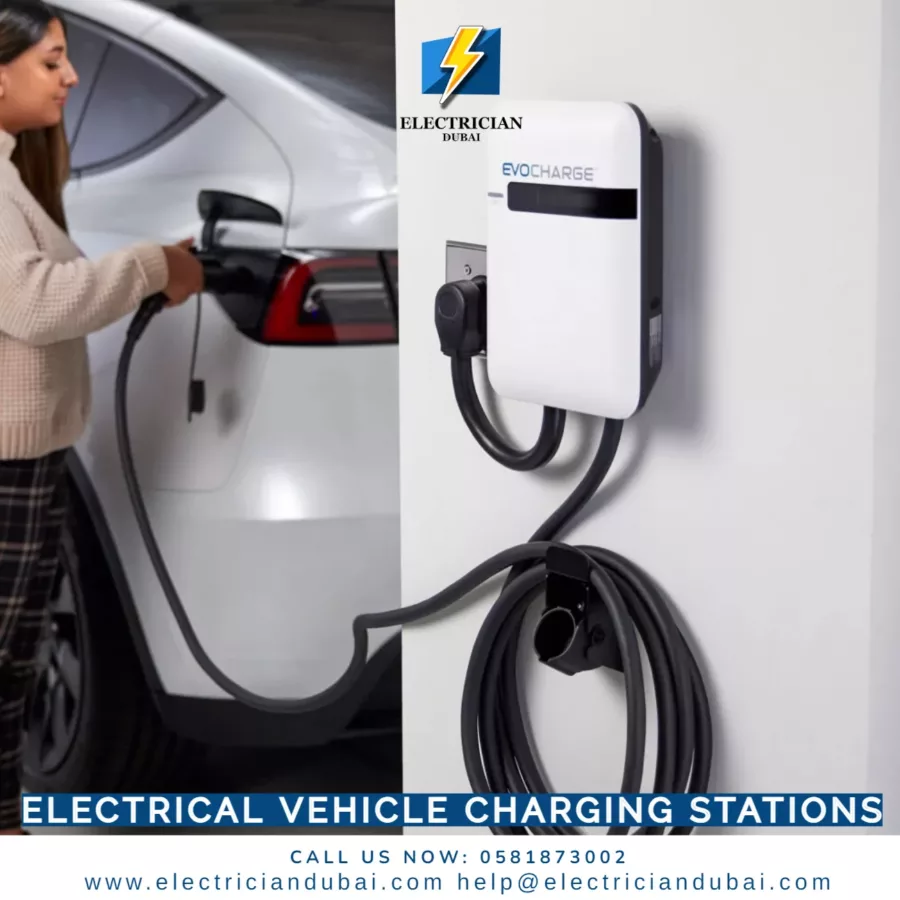
- Charge Point: The charge point is the visible part of the charging station where the EV owner plugs in their vehicle. It typically consists of a connector, a holster, and a charging cable. The charge point is designed to be weather-resistant and durable to withstand outdoor environments.
- Charging Module: The charging module is the brain of the charging station, responsible for controlling the flow of electricity to the vehicle. It consists of a power conversion system, a control unit, and a communication interface. The charging module ensures that the vehicle is charged safely and efficiently, while also providing real-time monitoring and control.
- Power Supply Unit (PSU): The PSU is responsible for converting the input power from the grid to the required voltage and current levels for charging the vehicle. It consists of a transformer, a rectifier, and a filtering system. The PSU ensures that the output power is stable and clean, meeting the requirements of the vehicle's battery management system.
- Electric Vehicle Supply Equipment (EVSE) Controller: The EVSE controller is a critical component that manages the charging process, including authentication, payment, and energy metering. It communicates with the vehicle's onboard computer to negotiate the charging parameters and ensure a safe and efficient charging process.
- Communication Interface: The communication interface enables the charging station to communicate with the vehicle, the charging network, and other stakeholders. It supports various communication protocols, such as Ethernet, Wi-Fi, and cellular networks, to facilitate real-time monitoring, payment processing, and software updates.

- Grounding System: The grounding system is essential for ensuring the safety of the charging station and the vehicle. It provides a safe path to ground for electrical currents, preventing electrical shock and equipment damage.
- Circuit Breaker and Fuses: The circuit breaker and fuses protect the charging station from overcurrent conditions, such as short circuits and overloads. They ensure that the charging station is disconnected from the power grid in case of a fault, preventing damage to the equipment and the vehicle.
- Surge Protection Device (SPD): The SPD protects the charging station from voltage surges and transients, which can damage the equipment and the vehicle. It absorbs or diverts the surge energy, ensuring that the charging station remains operational.
- User Interface: The user interface provides a convenient way for EV owners to interact with the charging station. It typically consists of a display screen, a keypad, and a payment terminal. The user interface enables users to select the charging mode, monitor the charging progress, and pay for the charging service.
- Network Connection: The network connection enables the charging station to communicate with the charging network, allowing for real-time monitoring, payment processing, and software updates. It supports various communication protocols, such as Ethernet, Wi-Fi, and cellular networks.
Types of Electric Vehicle Charging Stations
There are several types of electric vehicle charging stations, each with its own set of components and capabilities. The following are the most common types of charging stations:
- Level 1 (120V) Charging Station: A Level 1 charging station uses a standard 120V household outlet to charge the vehicle. It is the slowest type of charging station, taking up to 24 hours to fully charge a vehicle.

- Level 2 (240V) Charging Station: A Level 2 charging station uses a 240V electrical outlet to charge the vehicle. It is faster than a Level 1 charging station, taking up to 4-8 hours to fully charge a vehicle.
- DC Fast Charging Station: A DC Fast Charging station uses a high-power DC electrical connection to charge the vehicle. It is the fastest type of charging station, taking up to 30 minutes to fully charge a vehicle.
- Public Charging Station: A public charging station is a charging station that is accessible to the general public. It is typically located in a public parking lot, shopping mall, or other high-traffic area.
- Private Charging Station: A private charging station is a charging station that is owned and operated by a private individual or organization. It is typically used for personal or business purposes.
Benefits of Electric Vehicle Charging Stations
Electric vehicle charging stations offer several benefits, including:
- Convenience: Charging stations provide a convenient way for EV owners to recharge their vehicles, making it easier to own and operate an EV.
- Cost-Effective: Charging stations can help reduce the cost of owning an EV, as electricity is generally cheaper than gasoline.
- Environmental Benefits: Charging stations promote the adoption of EVs, which can help reduce greenhouse gas emissions and air pollution.
- Increased Energy Efficiency: Charging stations can help optimize energy efficiency, as they can be designed to charge vehicles during off-peak hours when energy demand is lower.
- Job Creation: The installation and maintenance of charging stations can create new job opportunities, contributing to local economic growth.
Challenges and Limitations of Electric Vehicle Charging Stations
Despite the benefits of electric vehicle charging stations, there are several challenges and limitations that need to be addressed, including:
- High Upfront Costs: The installation of charging stations can be expensive, making it a significant upfront investment for businesses and individuals.
- Limited Charging Infrastructure: The availability of charging stations is still limited, making it difficult for EV owners to find a charging station when they need one.
- Standardization: The lack of standardization in charging station design and technology can make it difficult for EV owners to use different charging stations.
- Energy Demand: The increased demand for electricity to power charging stations can strain the grid, particularly during peak hours.
- Cybersecurity Risks: Charging stations can be vulnerable to cybersecurity risks, such as hacking and data breaches, which can compromise the security of the charging network.
Conclusion
In conclusion, electric vehicle charging stations are a critical component of the EV ecosystem, enabling EV owners to recharge their vehicles and promoting the adoption of sustainable transportation. The components of an electric vehicle charging station, including the charge point, charging module, power supply unit, and communication interface, work together to provide a safe and efficient charging experience. As the demand for EVs grows, the installation of charging stations will become increasingly important, requiring significant investment and innovation to overcome the challenges and limitations of the technology.


