These systems allow individuals to harness the power of the sun and generate their own electricity, independent of the grid. However, the installation and wiring of off-grid solar panel systems can be complex and requires careful planning and execution. In this article, we will delve into the world of off-grid solar panel to inverter wiring, exploring the key components, wiring configurations, and best practices for a safe and efficient installation.
Introduction to Off-Grid Solar Panel Systems
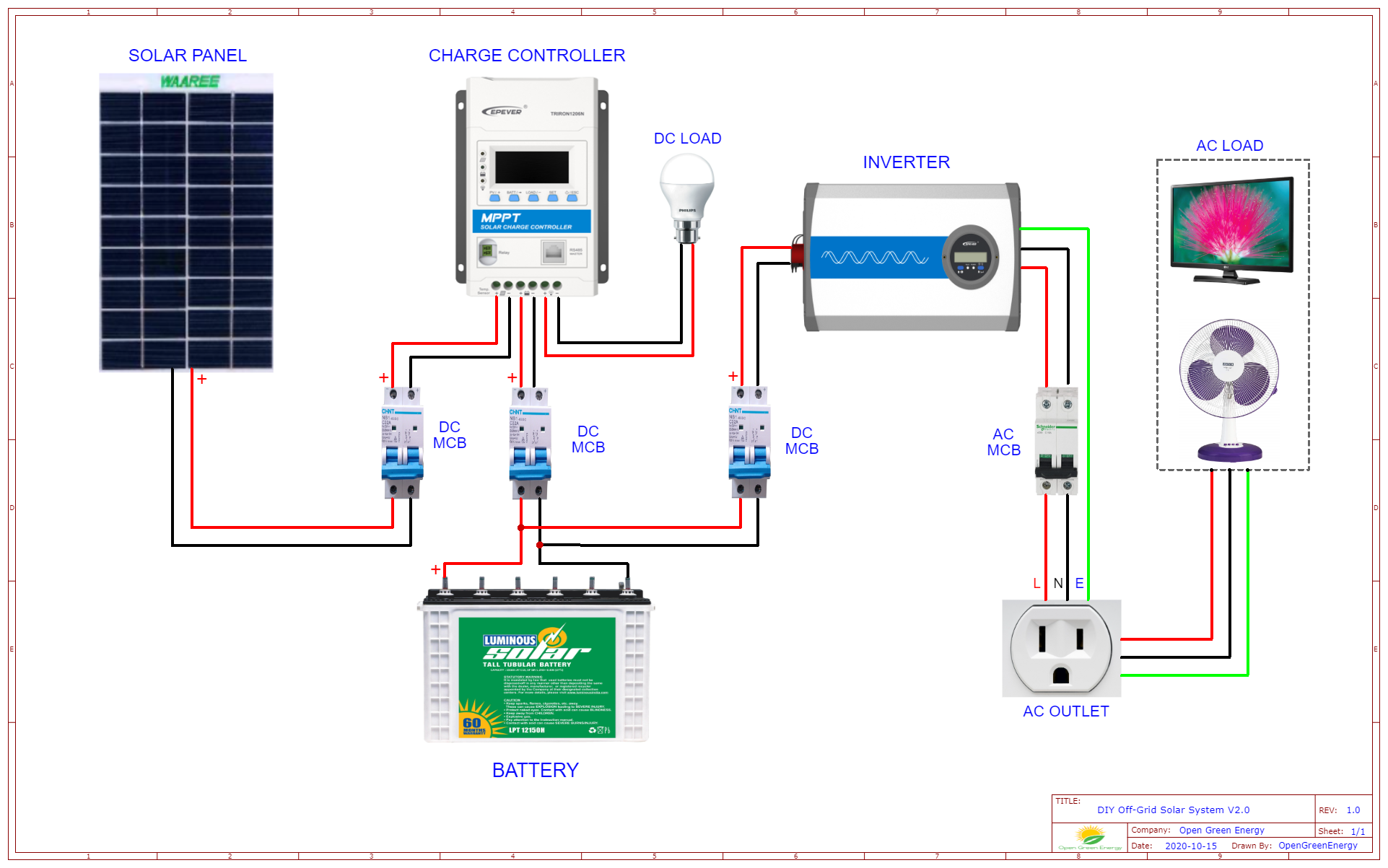
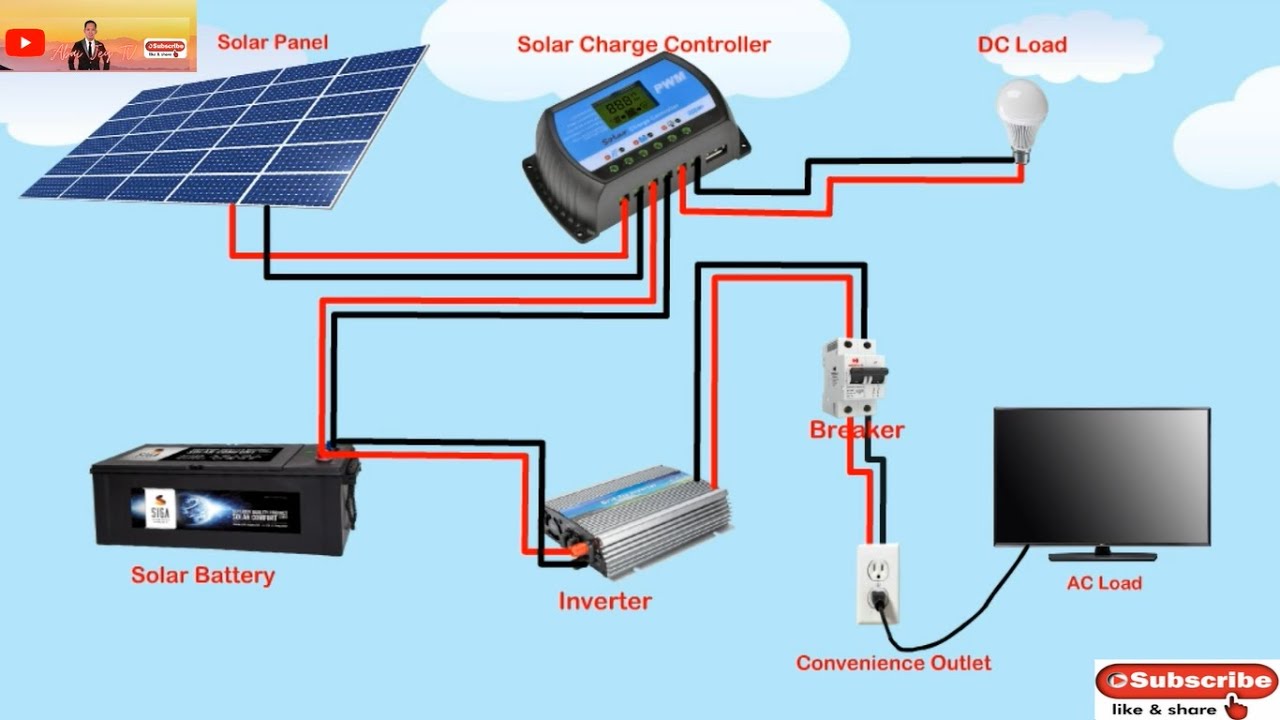
Off-grid solar panel systems are designed to operate independently of the grid, using solar panels to generate electricity and store it in batteries for later use. These systems typically consist of:
- Solar Panels: Convert sunlight into DC electricity
- Charge Controller: Regulates the flow of energy from the solar panels to the batteries
- Batteries: Store excess energy generated by the solar panels for later use
- Inverter: Converts DC electricity from the batteries to AC electricity for household use
- Mounting and Wiring: Secures the solar panels and connects them to the rest of the system
Wiring Configurations for Off-Grid Solar Panel Systems
There are several wiring configurations for off-grid solar panel systems, each with its own advantages and disadvantages. The most common configurations are:
- Series Wiring: Solar panels are connected in series, with the positive terminal of one panel connected to the negative terminal of the next panel. This configuration is suitable for small systems with few solar panels.
- Parallel Wiring: Solar panels are connected in parallel, with the positive terminal of each panel connected to a common positive busbar and the negative terminal connected to a common negative busbar. This configuration is suitable for larger systems with many solar panels.
- Series-Parallel Wiring: A combination of series and parallel wiring, where multiple strings of solar panels are connected in parallel. This configuration is suitable for large systems with many solar panels.

Inverter Selection and Wiring
The inverter is a critical component of an off-grid solar panel system, responsible for converting DC electricity from the batteries to AC electricity for household use. When selecting an inverter, consider the following factors:
- Power Rating: The inverter should be sized to handle the maximum power output of the solar panel system.

- Efficiency: Look for an inverter with high efficiency to minimize energy losses.
- Waveform: Choose an inverter with a pure sine wave output to ensure compatibility with sensitive electronics.
Wiring the inverter to the rest of the system requires careful attention to detail. The following steps should be followed:
- Connect the inverter to the battery bank: Use heavy-gauge wiring to connect the inverter to the battery bank, ensuring a secure and efficient connection.
- Connect the solar panels to the charge controller: Use MC4 connectors or similar to connect the solar panels to the charge controller, ensuring a secure and weather-tight connection.
- Connect the charge controller to the battery bank: Use heavy-gauge wiring to connect the charge controller to the battery bank, ensuring a secure and efficient connection.
- Connect the inverter to the load center: Use heavy-gauge wiring to connect the inverter to the load center, ensuring a secure and efficient connection.
Best Practices for Off-Grid Solar Panel to Inverter Wiring
To ensure a safe and efficient installation, follow these best practices:
- Use proper wiring and connectors: Use heavy-gauge wiring and secure connectors to ensure a reliable connection.
- Follow manufacturer instructions: Follow the manufacturer's instructions for wiring and installation to ensure compatibility and safety.
- Use protective devices: Install protective devices such as fuses, circuit breakers, and surge protectors to prevent damage to the system.
- Ensure proper grounding: Ensure proper grounding of the system to prevent electrical shock and ensure safety.
- Monitor and maintain the system: Regularly monitor and maintain the system to ensure optimal performance and extend its lifespan.
Safety Considerations for Off-Grid Solar Panel to Inverter Wiring
Off-grid solar panel systems can be hazardous if not installed and maintained properly. The following safety considerations should be taken into account:
- Electrical shock: Ensure proper grounding and insulation of wiring to prevent electrical shock.
- Fire risk: Ensure proper installation and maintenance of the system to prevent overheating and fire risks.
- Arc flash: Ensure proper installation and maintenance of the system to prevent arc flash hazards.
- Weather-related hazards: Ensure the system is designed and installed to withstand weather-related hazards such as lightning, wind, and hail.
Conclusion
Off-grid solar panel to inverter wiring requires careful planning and execution to ensure a safe and efficient installation. By following the guidelines and best practices outlined in this article, individuals can ensure a reliable and long-lasting off-grid solar panel system. Remember to always follow manufacturer instructions, use proper wiring and connectors, and ensure proper grounding and safety precautions to prevent hazards and ensure a successful installation.
Additional Resources
For further information and guidance on off-grid solar panel to inverter wiring, consult the following resources:
- National Electric Code (NEC): A comprehensive guide to electrical safety and installation practices.
- International Electrotechnical Commission (IEC): A global authority on electrical standards and safety.
- Solar Energy Industries Association (SEIA): A trade association providing guidance and resources on solar energy installation and maintenance.
- Local building codes and regulations: Familiarize yourself with local building codes and regulations to ensure compliance with installation and safety standards.
By following the guidelines and best practices outlined in this article, individuals can ensure a successful off-grid solar panel to inverter wiring installation, harnessing the power of the sun to generate clean and renewable energy.


