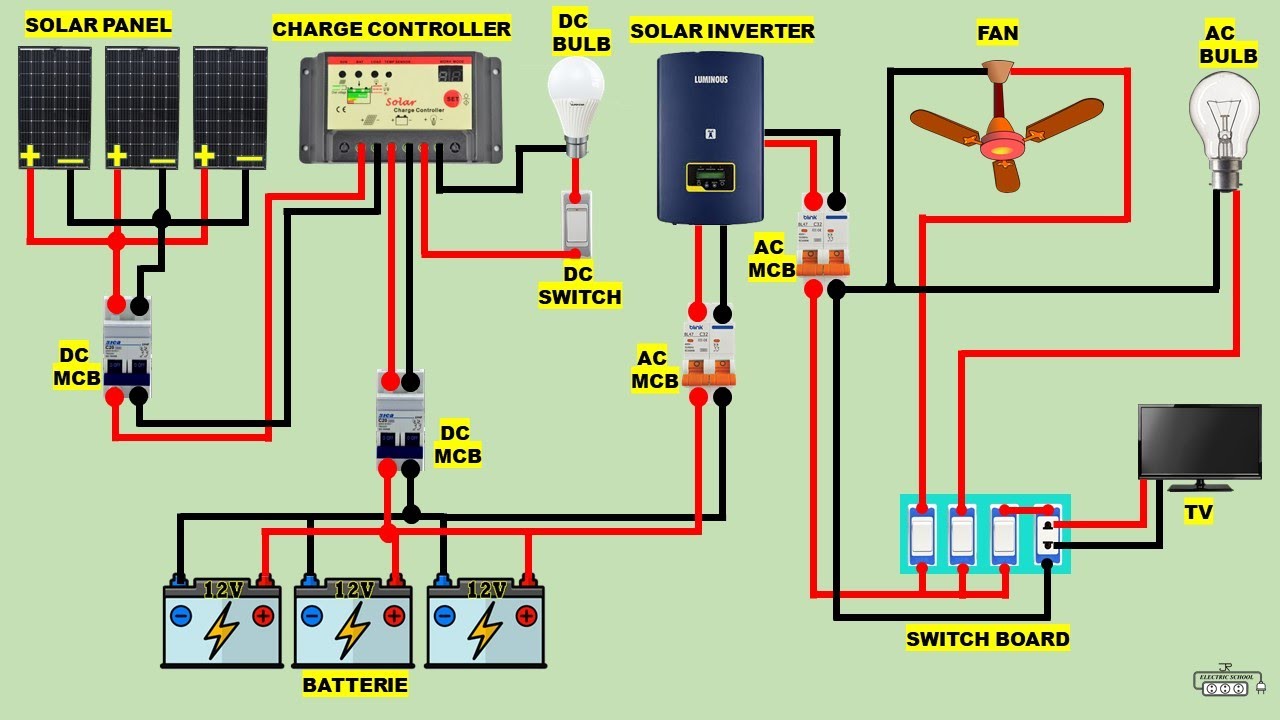
However, designing and installing an off-grid solar system requires careful planning and attention to detail, particularly when it comes to wiring. In this article, we will delve into the world of off-grid solar wiring for homes, covering the basics, best practices, and essential considerations for a safe and efficient system.

Introduction to Off-Grid Solar Systems
An off-grid solar system is a self-sufficient energy system that uses solar panels to generate electricity, which is then stored in batteries for use when the sun is not shining. These systems are ideal for homes in remote areas or those looking to achieve energy independence. Off-grid solar systems typically consist of:
- Solar Panels: Convert sunlight into DC electricity
- Charge Controller: Regulates the flow of energy from the solar panels to the batteries
- Batteries: Store excess energy generated by the solar panels for later use
- Inverter/Charger: Converts DC power from the batteries to AC power for household use
- Load Center: Distributes AC power to various circuits and appliances in the home
Off-Grid Solar Wiring Basics
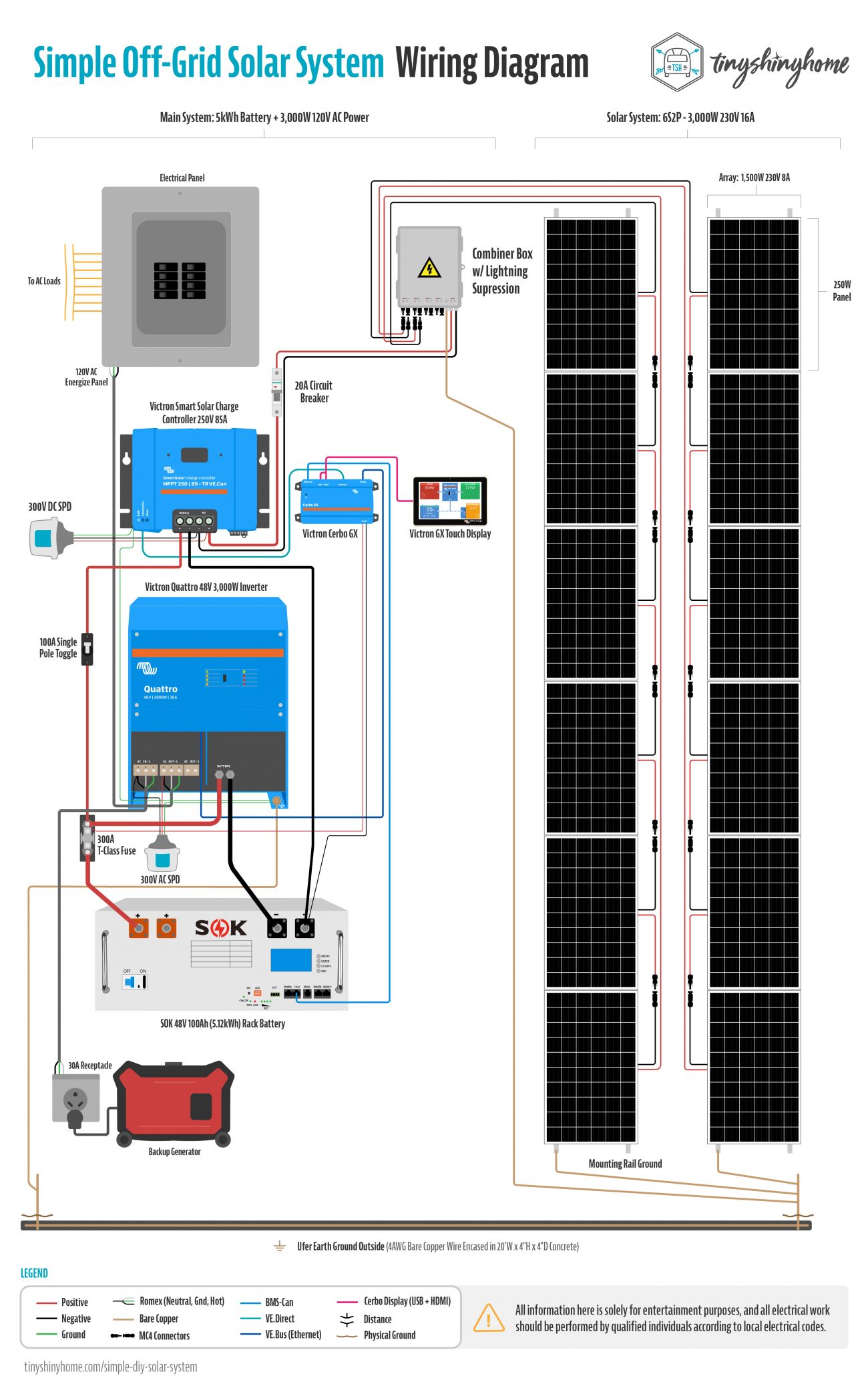
Wiring is a critical component of an off-grid solar system, as it connects the various components and ensures safe and efficient energy flow. Here are the basic principles of off-grid solar wiring:
- DC Wiring: Solar panels and charge controllers operate on DC voltage, typically 12V, 24V, or 48V. DC wiring should be sized to handle the maximum current output of the solar array.
- AC Wiring: Inverters/chargers convert DC power to AC power, which is then distributed to the home's electrical system. AC wiring should be sized to handle the maximum load of the home.
- Grounding and Bonding: Proper grounding and bonding are essential for safety and to prevent electrical shock. All metal components, including solar panels, mounting hardware, and electrical enclosures, should be grounded and bonded to a common point.
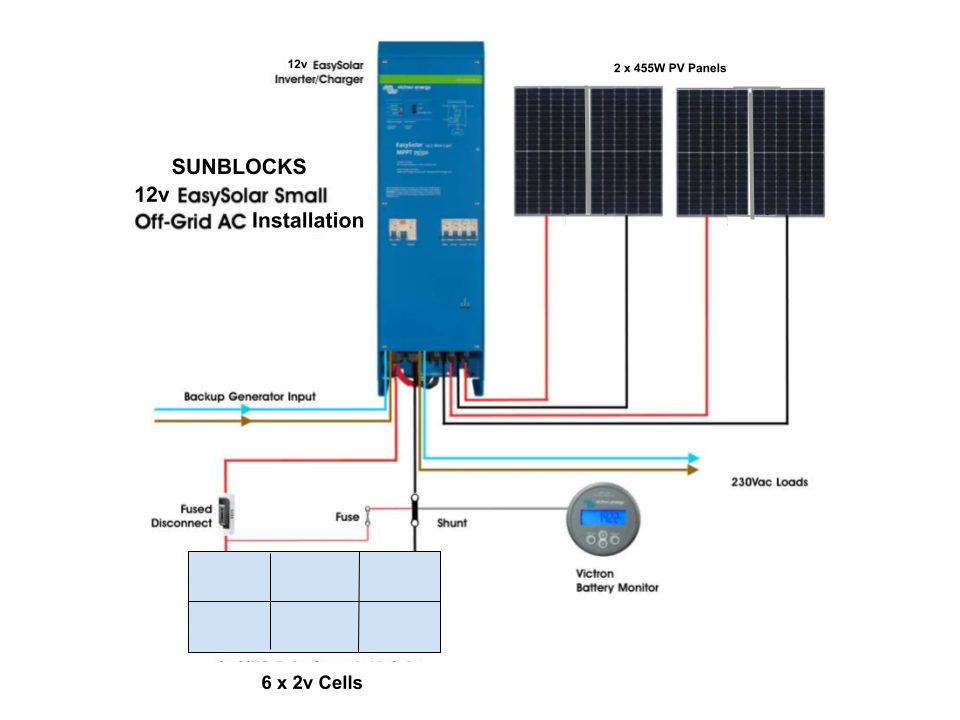
Off-Grid Solar Wiring Considerations
When designing and installing an off-grid solar wiring system, several factors must be considered to ensure safety, efficiency, and compliance with electrical codes and standards:
- Voltage Drop: Voltage drop occurs when electricity travels through a wire, resulting in energy loss. To minimize voltage drop, use wires with sufficient gauge and keep wire runs as short as possible.

- Current Carrying Capacity: Wires should be sized to handle the maximum current output of the solar array or electrical load.
- Insulation and Protection: Wires should be insulated and protected from environmental factors, such as moisture, UV radiation, and physical damage.
- Connectors and Terminals: Connectors and terminals should be rated for the maximum current and voltage of the system, and should be designed for outdoor use.
- Labeling and Signage: All wiring and electrical components should be labeled and signed to ensure safe and easy identification.
Best Practices for Off-Grid Solar Wiring
To ensure a safe and efficient off-grid solar wiring system, follow these best practices:
- Hire a Licensed Electrician: Off-grid solar wiring requires specialized knowledge and skills. Hire a licensed electrician with experience in off-grid solar systems.
- Use High-Quality Components: Use high-quality wires, connectors, and electrical components specifically designed for off-grid solar systems.
- Follow Electrical Codes and Standards: Comply with relevant electrical codes and standards, such as the National Electric Code (NEC) and the International Association of Electrical Inspectors (IAEI).
- Test and Inspect: Thoroughly test and inspect the wiring system before energizing it.
- Regular Maintenance: Regularly inspect and maintain the wiring system to prevent damage and ensure safe operation.
Off-Grid Solar Wiring System Design
A well-designed off-grid solar wiring system should consider the following factors:
- Solar Array Configuration: The solar array should be configured to optimize energy production and minimize voltage drop.
- Charge Controller Sizing: The charge controller should be sized to handle the maximum current output of the solar array.
- Battery Bank Sizing: The battery bank should be sized to meet the energy storage needs of the home.
- Inverter/Charger Sizing: The inverter/charger should be sized to handle the maximum load of the home.
- Load Center Design: The load center should be designed to distribute AC power safely and efficiently to various circuits and appliances.
Off-Grid Solar Wiring System Components
The following components are typically used in an off-grid solar wiring system:
- Solar Panel Connectors: Connect solar panels to the charge controller.
- Charge Controller: Regulates the flow of energy from the solar panels to the batteries.
- Battery Connectors: Connect batteries to the inverter/charger.
- Inverter/Charger: Converts DC power from the batteries to AC power for household use.
- Load Center: Distributes AC power to various circuits and appliances in the home.
- Grounding and Bonding Equipment: Ensures safe grounding and bonding of all metal components.
Conclusion
Off-grid solar wiring for homes requires careful planning, attention to detail, and specialized knowledge. By following best practices, considering essential factors, and using high-quality components, homeowners can ensure a safe and efficient off-grid solar system. Whether you're a seasoned solar professional or a homeowner looking to achieve energy independence, this comprehensive guide provides the information you need to design and install a reliable and efficient off-grid solar wiring system. Remember to always hire a licensed electrician and follow relevant electrical codes and standards to ensure a safe and compliant system. With the right knowledge and expertise, you can harness the power of the sun and enjoy the benefits of off-grid solar energy.