However, like any complex electrical system, off-grid solar systems can be prone to wiring issues that can affect their performance and efficiency. In this article, we will provide a comprehensive guide on troubleshooting off-grid solar system wiring issues, helping you to identify and resolve problems quickly and safely.

Understanding Off-Grid Solar System Wiring
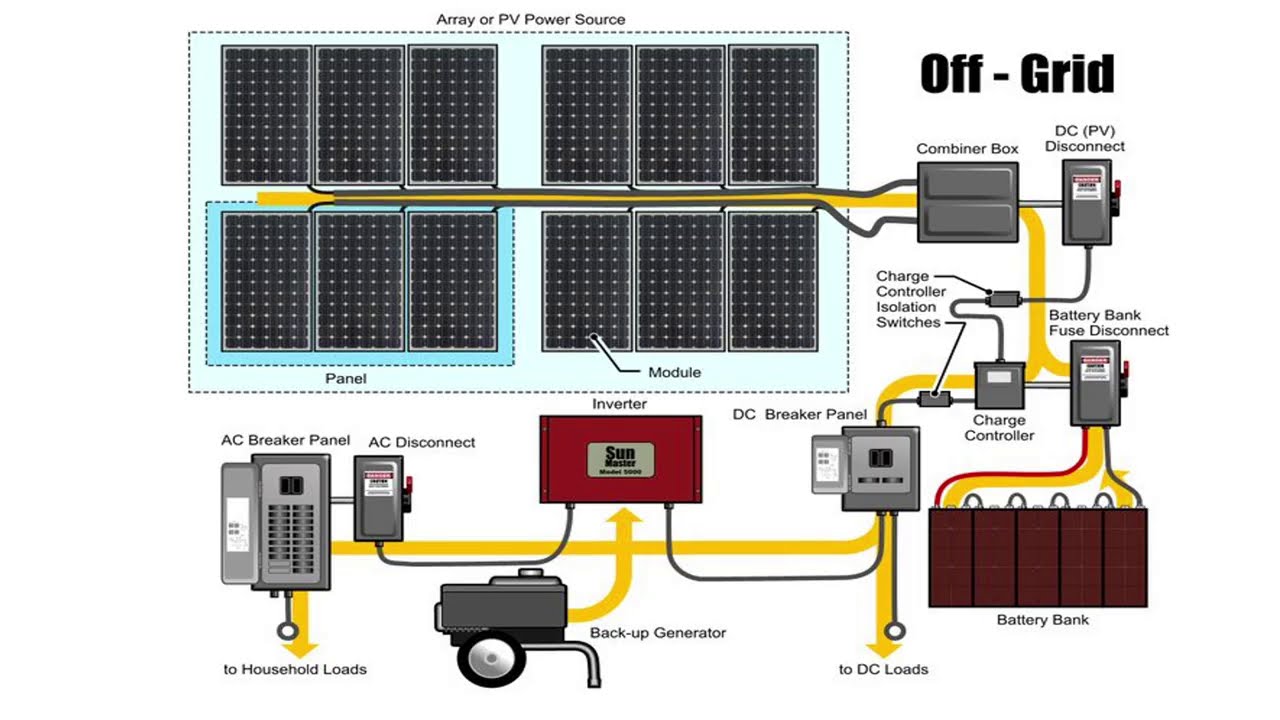
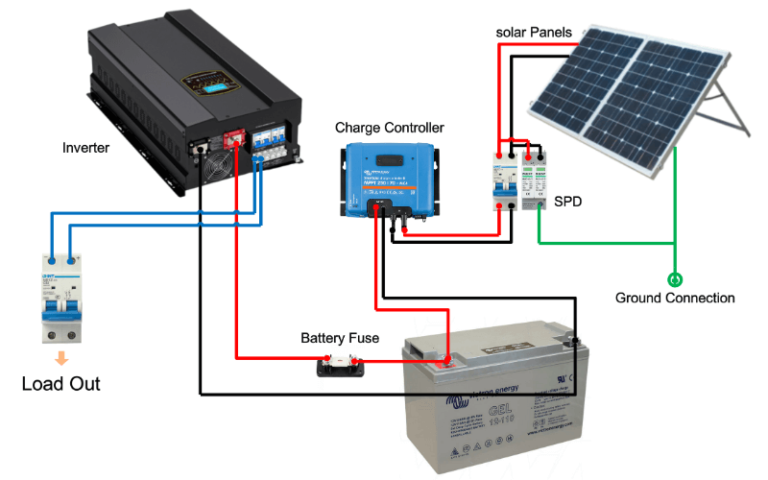
Before we dive into troubleshooting, it's essential to understand the basics of off-grid solar system wiring. A typical off-grid solar system consists of several components, including:
- Solar Panels: These convert sunlight into direct current (DC) electricity.
- Charge Controller: This regulates the flow of energy from the solar panels to the battery bank.
- Battery Bank: This stores excess energy generated by the solar panels for later use.
- Inverter: This converts DC electricity from the battery bank into alternating current (AC) electricity for use in the home or business.
- Wiring and Connectors: These connect the various components of the system, allowing energy to flow from one component to another.
Common Wiring Issues in Off-Grid Solar Systems
Wiring issues can arise in off-grid solar systems due to various reasons, including:
- Loose or corroded connections: Over time, connections between components can become loose or corroded, leading to energy loss and system downtime.
- Incorrect wire sizing: Using wires that are too small for the system can lead to overheating, energy loss, and even fires.
- Insufficient grounding: Poor grounding can lead to electrical shocks, equipment damage, and system malfunction.
- Short circuits: Short circuits can occur when two or more wires come into contact with each other, causing a surge in energy and potentially damaging system components.
- Open circuits: Open circuits can occur when a wire is broken or disconnected, preventing energy from flowing through the system.
Troubleshooting Off-Grid Solar System Wiring Issues
To troubleshoot off-grid solar system wiring issues, follow these steps:
- Turn off the system: Before starting any troubleshooting, ensure the system is turned off to prevent electrical shocks or injuries.
- Check the system monitoring: Review the system monitoring data to identify any patterns or anomalies that may indicate a wiring issue.
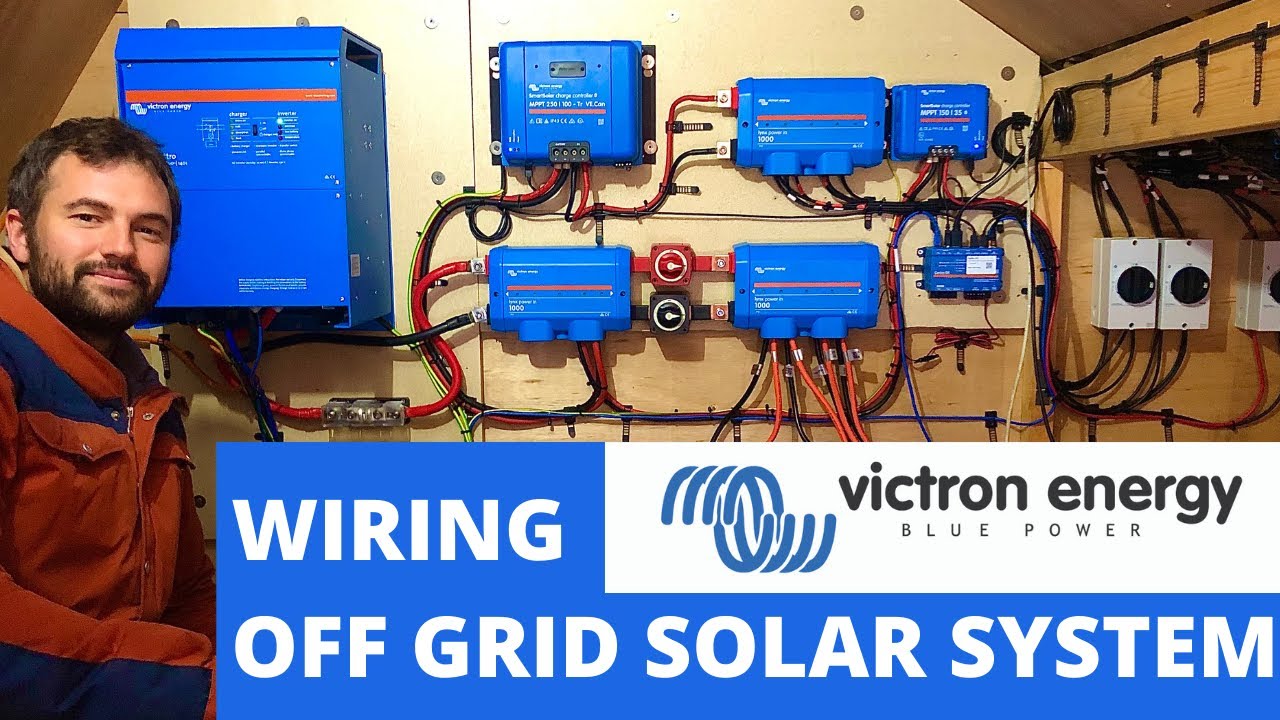
- Inspect the wiring: Visually inspect the wiring and connections for signs of damage, wear, or corrosion.
- Check the wire sizing: Verify that the wire sizing is correct for the system, using a wire sizing chart or consulting with a professional.
- Test for short circuits: Use a multimeter to test for short circuits between wires or between wires and system components.
- Test for open circuits: Use a multimeter to test for open circuits, checking for continuity between wires and system components.
- Check the grounding: Verify that the system is properly grounded, using a grounding resistance tester or consulting with a professional.
Tools and Equipment Needed for Troubleshooting
To troubleshoot off-grid solar system wiring issues, you'll need the following tools and equipment:
- Multimeter: A multimeter is used to measure voltage, current, and resistance in the system.
- Wire stripping and cutting tools: These are used to strip and cut wires, allowing for repairs or replacements.
- Pliers and wrenches: These are used to tighten or loosen connections and fittings.
- Grounding resistance tester: This is used to test the grounding system and ensure it's functioning correctly.
- Personal protective equipment (PPE): This includes safety glasses, gloves, and a hard hat, which should be worn when working with electrical systems.
Safety Precautions When Troubleshooting
When troubleshooting off-grid solar system wiring issues, it's essential to take safety precautions to prevent electrical shocks, injuries, or fatalities. These include:
- Turn off the system: Ensure the system is turned off before starting any troubleshooting.
- Use PPE: Wear personal protective equipment, including safety glasses, gloves, and a hard hat.
- Avoid contact with live wires: Never touch live wires or components, as this can cause electrical shocks or injuries.
- Use insulated tools: Use insulated tools, such as pliers and wrenches, to prevent electrical shocks.
- Work in a well-ventilated area: Work in a well-ventilated area, away from flammable materials or gases.
Best Practices for Preventing Wiring Issues
To prevent wiring issues in off-grid solar systems, follow these best practices:
- Use high-quality components: Use high-quality components, including wires, connectors, and fittings, to ensure reliability and durability.
- Follow proper installation procedures: Follow proper installation procedures, including wire sizing and routing, to ensure the system is installed correctly.
- Regularly inspect and maintain the system: Regularly inspect and maintain the system, checking for signs of wear, damage, or corrosion.
- Use protective devices: Use protective devices, such as surge protectors and fuses, to prevent electrical surges and overloads.
- Hire a professional: If you're not experienced in electrical systems, hire a professional to install, inspect, and maintain your off-grid solar system.
Conclusion
Troubleshooting off-grid solar system wiring issues requires a systematic approach, using the right tools and equipment, and following safety precautions. By understanding the basics of off-grid solar system wiring, identifying common wiring issues, and following best practices for prevention, you can ensure your system runs safely and efficiently. Remember to always turn off the system before starting any troubleshooting, use personal protective equipment, and work in a well-ventilated area. If you're not experienced in electrical systems, it's recommended to hire a professional to install, inspect, and maintain your off-grid solar system.
Additional Resources
For more information on off-grid solar systems and wiring issues, refer to the following resources:
- National Electrical Code (NEC): The NEC provides guidelines for electrical system design, installation, and maintenance.
- International Association of Electrical Inspectors (IAEI): The IAEI provides resources and training for electrical inspectors and professionals.
- Solar Energy Industries Association (SEIA): The SEIA provides resources and guidelines for solar energy system design, installation, and maintenance.
- Local electrical authorities: Consult with local electrical authorities, such as building departments or electrical inspectors, for specific requirements and regulations.
By following the guidelines and best practices outlined in this article, you can ensure your off-grid solar system runs safely and efficiently, providing reliable and renewable energy for years to come.


