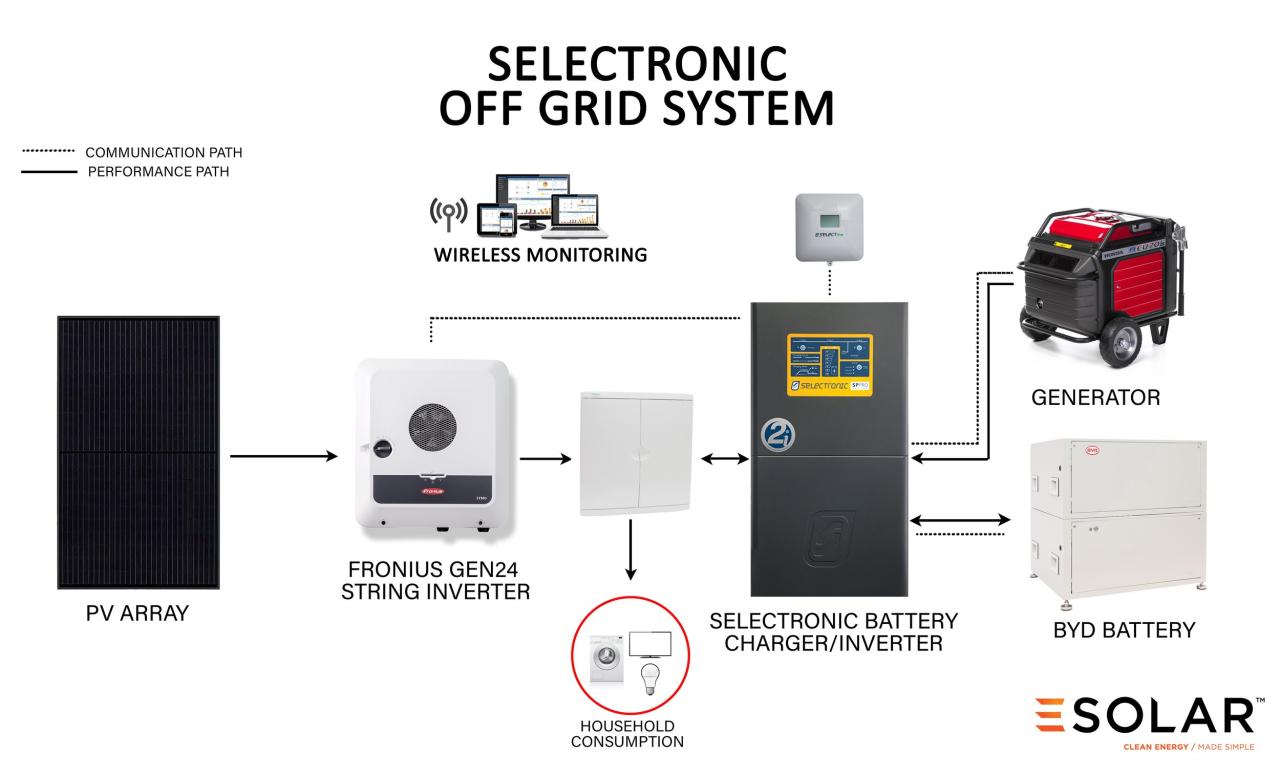
One of the most critical components of an off-grid solar panel system is the charge controller, which plays a vital role in regulating the energy generated by the solar panels and storing it in a battery for later use. In this article, we will provide a step-by-step guide on how to wire an off-grid solar panel to a charge controller, ensuring a safe and efficient connection.
Introduction to Off-Grid Solar Panel Systems
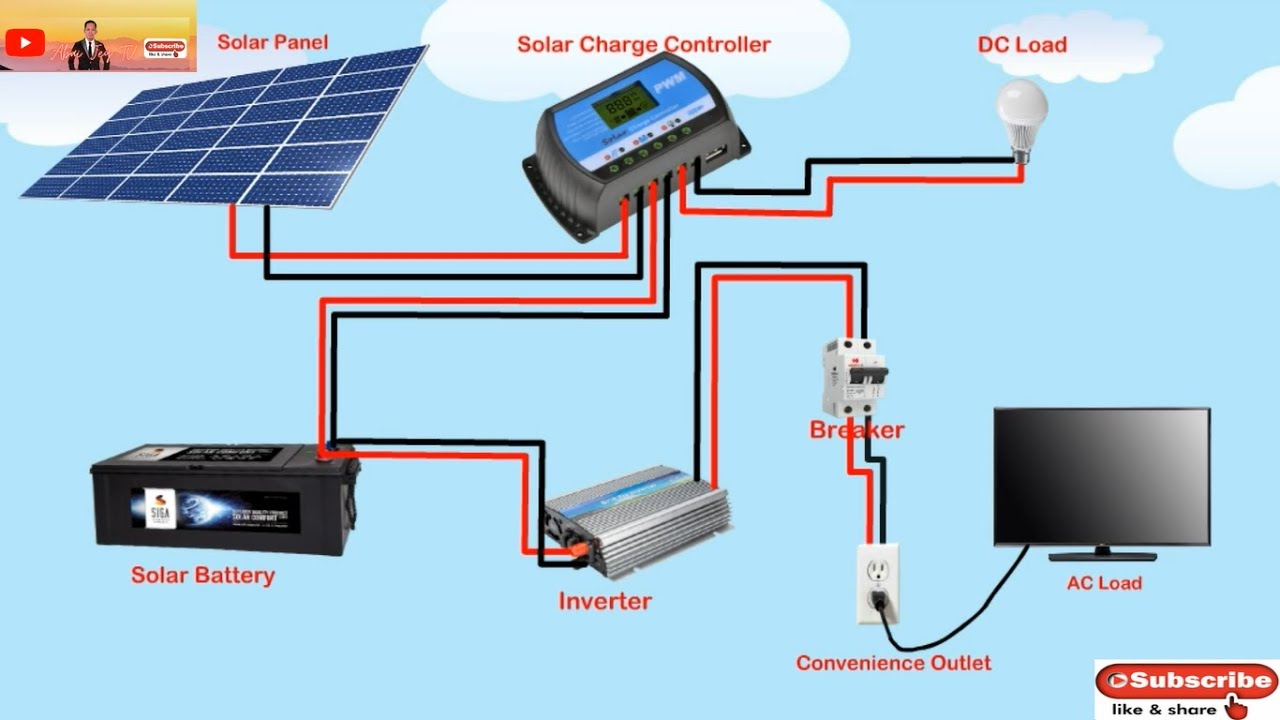
Off-grid solar panel systems are designed to provide electricity to homes, cabins, or remote areas where access to the grid is limited or non-existent. These systems typically consist of solar panels, a charge controller, a battery bank, and an inverter/charger. The solar panels generate DC power, which is then sent to the charge controller. The charge controller regulates the energy flow and stores it in a battery bank for later use. The inverter/charger converts the stored DC power to AC power, which can be used to power appliances and devices.
Understanding Charge Controllers
A charge controller is an essential component of an off-grid solar panel system. Its primary function is to regulate the energy generated by the solar panels and prevent overcharging of the battery bank. Charge controllers can be categorized into two main types: Pulse Width Modulation (PWM) and Maximum Power Point Tracking (MPPT).
PWM charge controllers are the most common type and work by slowly reducing the charge current as the battery reaches full charge. MPPT charge controllers, on the other hand, use advanced algorithms to optimize energy harvesting from the solar panels, resulting in up to 30% more energy production.
Wiring an Off-Grid Solar Panel to a Charge Controller
Wiring an off-grid solar panel to a charge controller requires careful planning and attention to detail. Here are the steps to follow:
Step 1: Determine the Solar Panel Configuration
Before wiring the solar panels to the charge controller, determine the configuration of the solar panel array. This includes the number of solar panels, their voltage and current ratings, and the desired system voltage. Most off-grid solar panel systems use a 12V, 24V, or 48V system voltage.
Step 2: Choose the Correct Wire Size
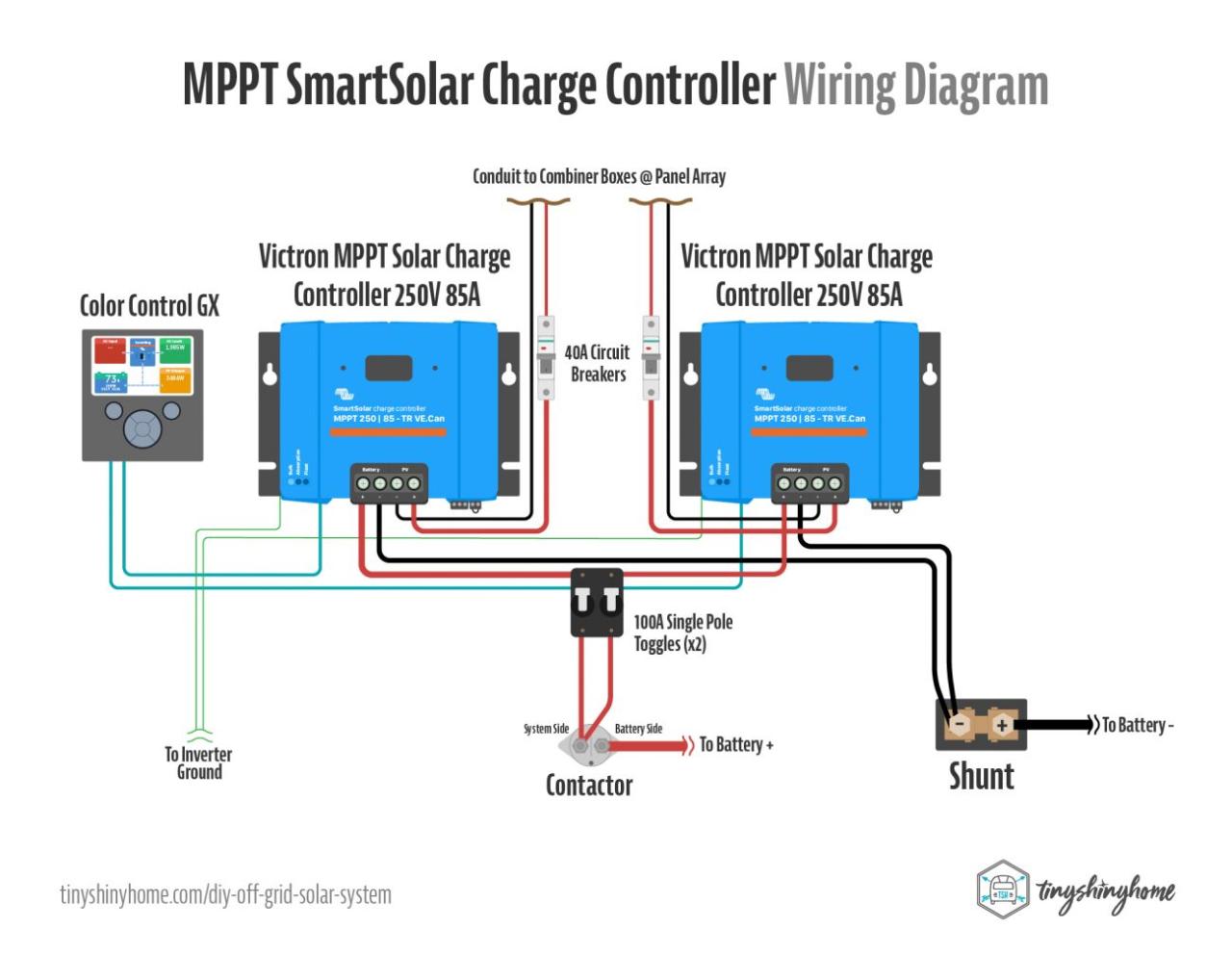
Selecting the correct wire size is crucial to ensure safe and efficient energy transfer. The wire size will depend on the distance between the solar panels and the charge controller, as well as the current rating of the solar panels. A general rule of thumb is to use a wire size that can handle at least 1.25 times the maximum current rating of the solar panels.
Step 3: Connect the Solar Panels to the Charge Controller
Connect the solar panels to the charge controller using the following steps:
- Connect the positive (+) terminal of the solar panel to the positive (+) terminal of the charge controller.
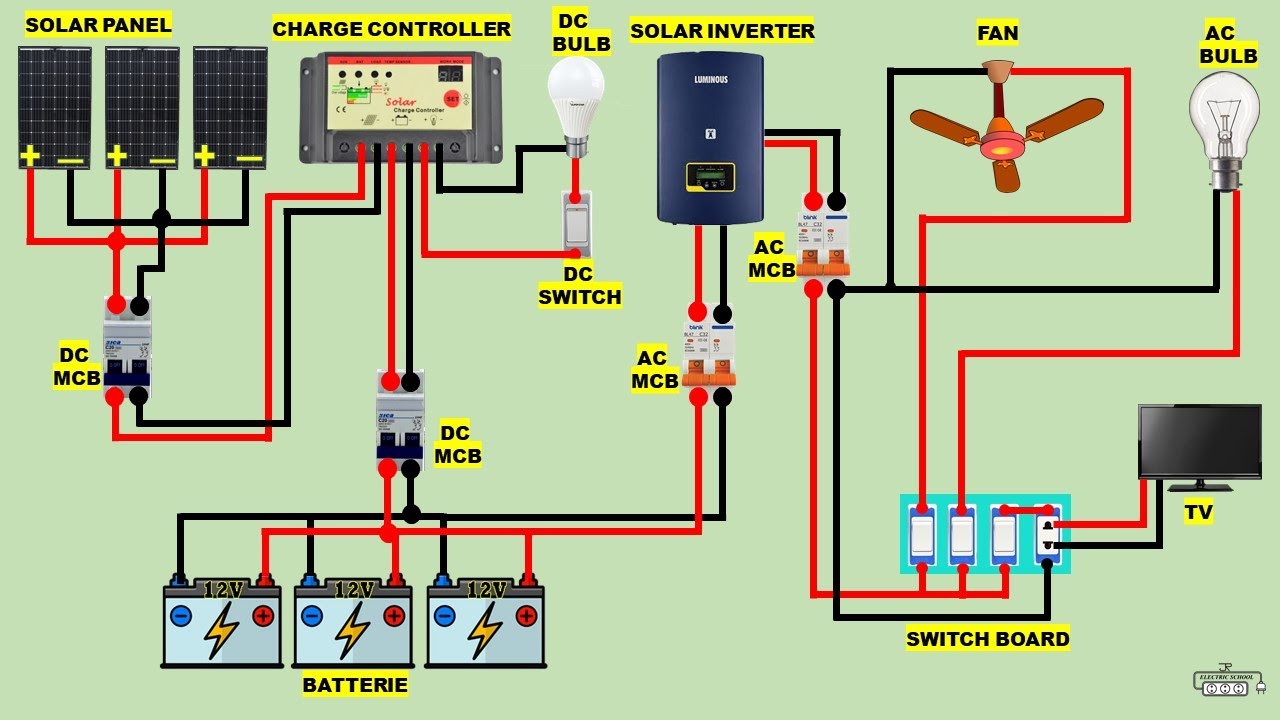
- Connect the negative (-) terminal of the solar panel to the negative (-) terminal of the charge controller.
- If using multiple solar panels, connect them in series or parallel configuration, depending on the system design.
Step 4: Configure the Charge Controller Settings
Configure the charge controller settings according to the manufacturer's instructions and the system design. This includes setting the system voltage, charge current, and other parameters.
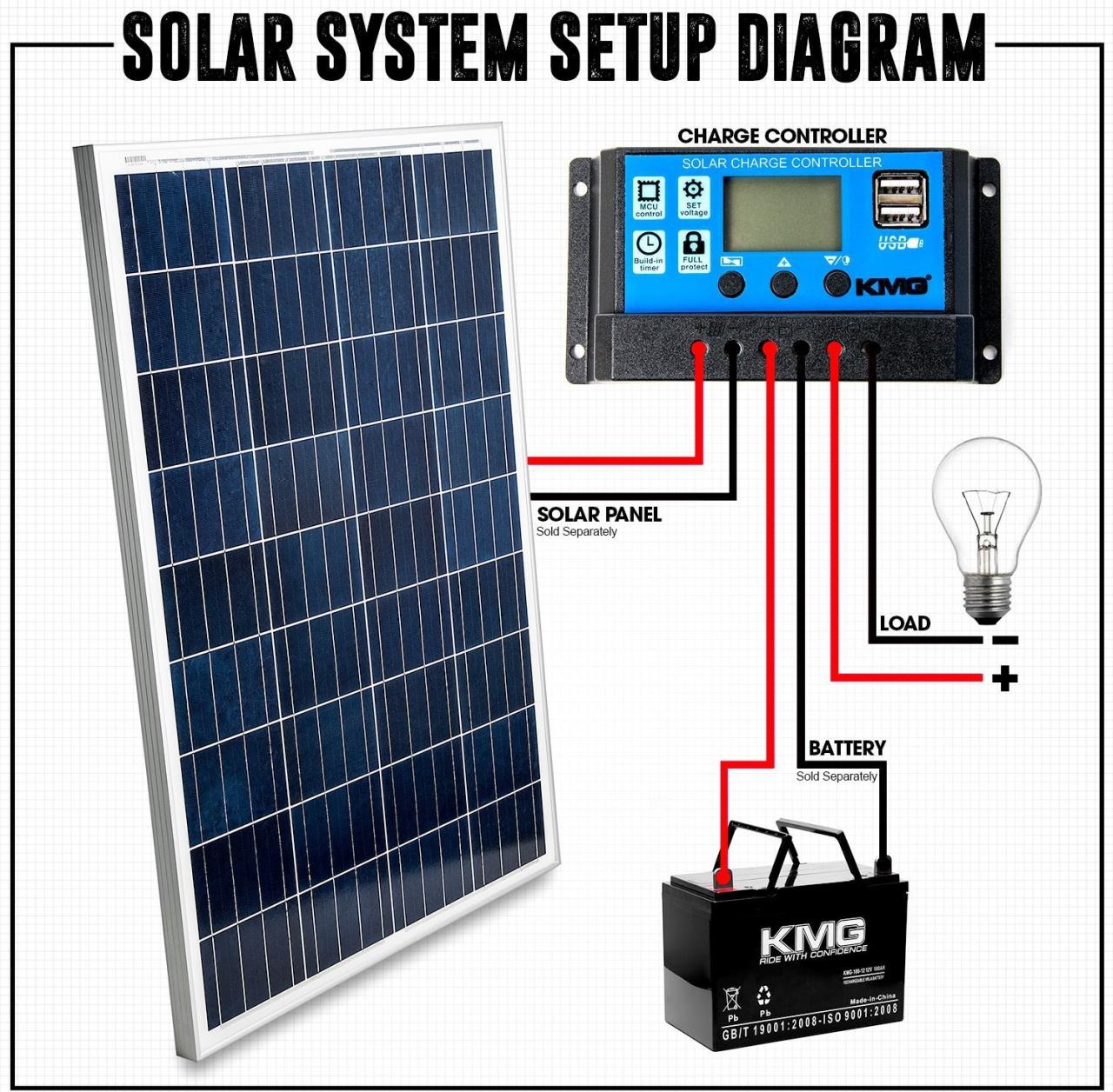
Step 5: Connect the Charge Controller to the Battery Bank
Connect the charge controller to the battery bank using the following steps:
- Connect the positive (+) terminal of the charge controller to the positive (+) terminal of the battery bank.
- Connect the negative (-) terminal of the charge controller to the negative (-) terminal of the battery bank.
Step 6: Connect the Inverter/Charger to the Battery Bank
Connect the inverter/charger to the battery bank using the following steps:
- Connect the positive (+) terminal of the inverter/charger to the positive (+) terminal of the battery bank.
- Connect the negative (-) terminal of the inverter/charger to the negative (-) terminal of the battery bank.
Safety Precautions
When wiring an off-grid solar panel to a charge controller, it is essential to follow safety precautions to avoid electrical shock or damage to the system. Here are some safety tips to keep in mind:
- Always disconnect the solar panels from the charge controller before making any connections.
- Use protective gear, such as gloves and safety glasses, when working with electrical systems.
- Ensure the system is grounded properly to prevent electrical shock.
- Follow the manufacturer's instructions for the charge controller and other system components.
Troubleshooting Common Issues
Here are some common issues that may arise when wiring an off-grid solar panel to a charge controller:
- Overcharging: If the charge controller is not properly configured, it can cause overcharging of the battery bank. Check the charge controller settings and adjust as necessary.
- Undercharging: If the charge controller is not receiving enough energy from the solar panels, it can cause undercharging of the battery bank. Check the solar panel configuration and wiring to ensure it is receiving sufficient energy.
- Short circuits: Short circuits can occur due to faulty wiring or connections. Check the wiring and connections to ensure they are secure and not damaged.
Conclusion
Wiring an off-grid solar panel to a charge controller requires careful planning and attention to detail. By following the steps outlined in this article, you can ensure a safe and efficient connection. Remember to always follow safety precautions and consult the manufacturer's instructions for the charge controller and other system components. With proper installation and configuration, an off-grid solar panel system can provide reliable and sustainable energy for years to come.
Additional Tips and Recommendations
- Always use high-quality wire and connectors to ensure reliable connections.
- Consider using a monitoring system to track the performance of the solar panel system.
- Regularly inspect the system to ensure it is functioning properly and make adjustments as necessary.
- Consider consulting a professional if you are unsure about any aspect of the installation process.
By following these guidelines and taking the necessary precautions, you can successfully wire an off-grid solar panel to a charge controller and enjoy the benefits of renewable energy. Remember to stay safe, and happy wiring!