One crucial aspect of off-grid living is harnessing renewable energy, and solar power is an attractive option. DIY solar wiring is an excellent way to take control of your energy needs, but it requires careful planning, execution, and a thorough understanding of the underlying principles. In this article, we will delve into the world of DIY solar wiring, providing you with a comprehensive guide to help you navigate the process and enjoy the benefits of off-grid living.
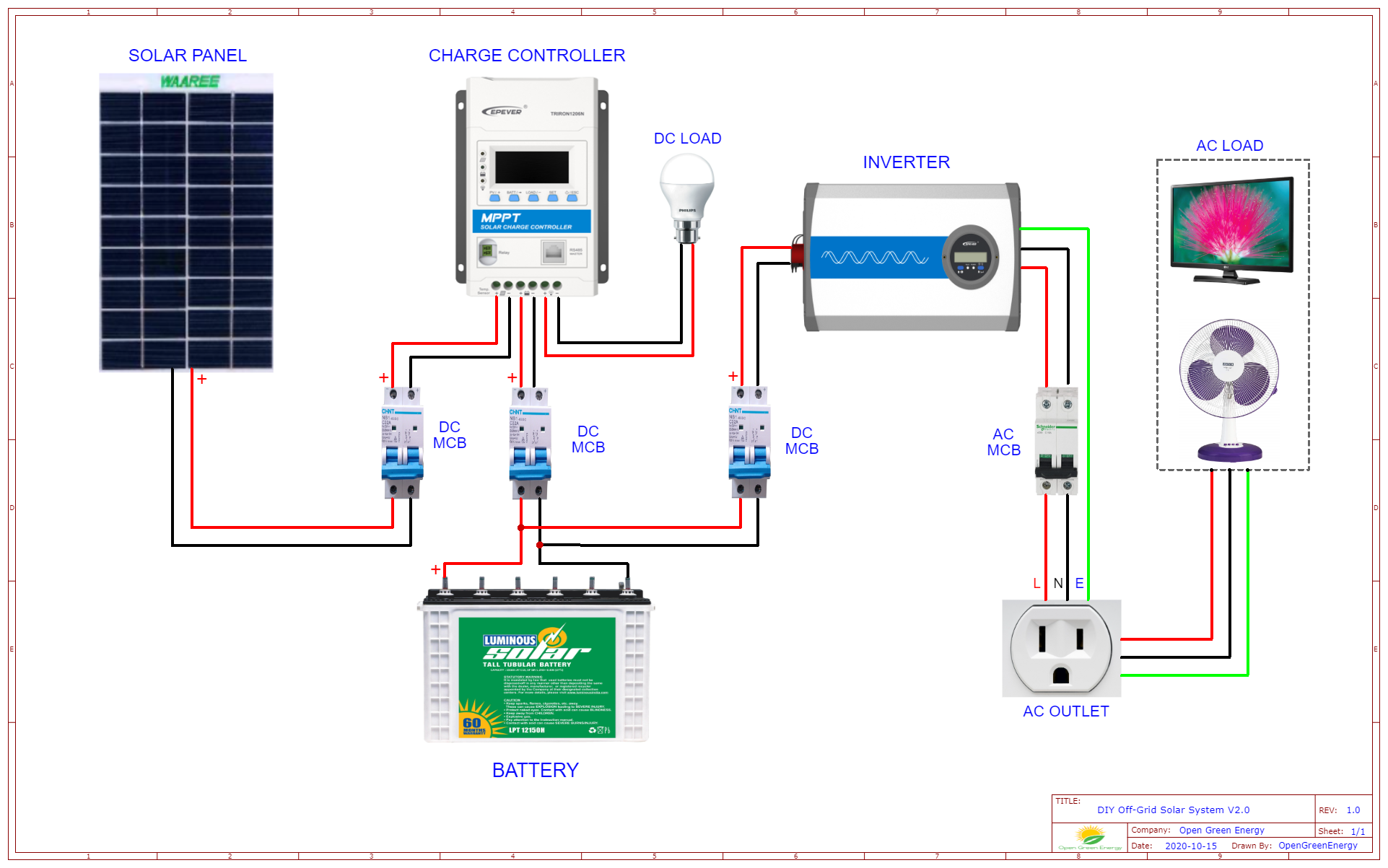
Understanding the Basics of Solar Energy
Before diving into the wiring aspect, it's essential to understand the fundamentals of solar energy. Solar panels convert sunlight into direct current (DC) electricity, which is then stored in batteries or used to power appliances. The amount of energy generated by your solar panels depends on factors such as panel efficiency, sunlight exposure, and temperature. To ensure a reliable and efficient solar energy system, it's crucial to choose the right components and design your system accordingly.
Assessing Your Energy Needs
To determine the size of your solar energy system, you need to assess your energy requirements. Calculate your daily energy consumption by considering the following factors:
- Appliances: Make a list of all the appliances you plan to power, including lights, refrigerators, computers, and water pumps.
- Usage patterns: Estimate the number of hours each appliance will be used daily.
- Power consumption: Note the wattage of each appliance to calculate the total energy consumption.
Using this information, you can determine the required solar panel array size, battery bank capacity, and inverter rating. A general rule of thumb is to oversize your system by 10-20% to account for unexpected energy demands and system inefficiencies.
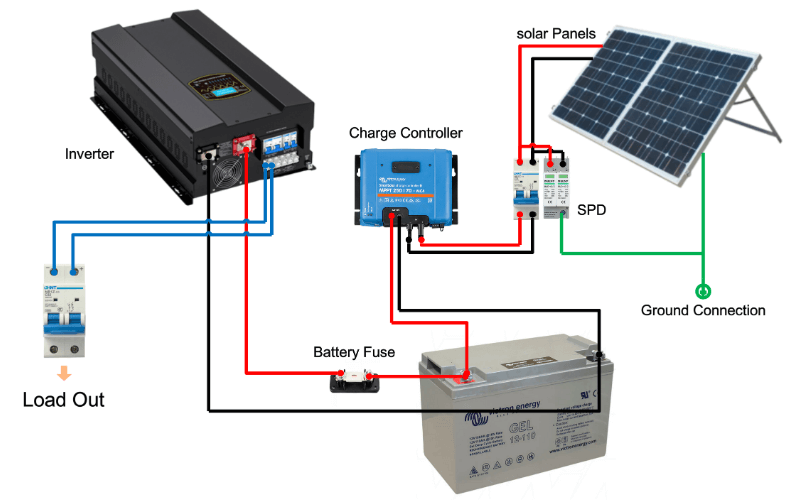
Selecting the Right Components
Choosing the right components is vital for a reliable and efficient solar energy system. Consider the following:
- Solar panels: Select panels with high efficiency, durability, and a suitable wattage rating. Monocrystalline panels are generally more efficient than polycrystalline panels.
- Charge controllers: Charge controllers regulate the energy flow from the solar panels to the battery bank. Choose a controller with a suitable rating and features such as maximum power point tracking (MPPT) and overload protection.

- Batteries: Deep cycle batteries are designed for off-grid applications. Consider factors such as capacity, depth of discharge, and lifespan.
- Inverters: Inverters convert DC energy from the batteries to AC energy for appliance use. Choose an inverter with a suitable rating, efficiency, and features such as pure sine wave output and overload protection.
- Wiring and connectors: Use high-quality, UV-resistant wiring and connectors to ensure reliable connections and minimize energy losses.
Designing Your Solar Energy System

With your components selected, it's time to design your solar energy system. Consider the following:
- Array configuration: Configure your solar panels in a series or parallel arrangement, depending on your energy requirements and available space.
- Battery bank configuration: Configure your batteries in a series or parallel arrangement, considering factors such as capacity, voltage, and charging/discharging rates.
- Inverter and charger configuration: Configure your inverter and charger to match your energy requirements, taking into account factors such as output voltage, frequency, and efficiency.
- Wiring and grounding: Ensure proper wiring and grounding to prevent energy losses, electrical shocks, and system damage.
DIY Solar Wiring: Best Practices
When it comes to DIY solar wiring, safety and efficiency are paramount. Follow these best practices:
- Use proper wiring and connectors: Use high-quality, UV-resistant wiring and connectors to minimize energy losses and ensure reliable connections.
- Follow safety guidelines: Wear protective gear, such as gloves and safety glasses, and ensure proper ventilation when working with electrical components.
- Label and document: Label and document your wiring and system configuration to facilitate maintenance, troubleshooting, and future upgrades.
- Test and inspect: Regularly test and inspect your system to ensure proper functioning, identify potential issues, and perform necessary maintenance.
- Grounding and bonding: Ensure proper grounding and bonding to prevent electrical shocks and system damage.
Common DIY Solar Wiring Mistakes to Avoid
While DIY solar wiring can be a rewarding experience, it's essential to avoid common mistakes that can compromise system performance, safety, and longevity. Some common mistakes to avoid include:
- Inadequate wire sizing: Using wires that are too small can result in energy losses, overheating, and system damage.
- Insufficient grounding: Poor grounding can lead to electrical shocks, system damage, and compromised safety.
- Incorrect component sizing: Choosing components that are too small or too large can result in inefficient system performance, reduced lifespan, and increased maintenance costs.
- Poor wiring and connections: Using low-quality wiring and connectors can lead to energy losses, system downtime, and compromised safety.
Troubleshooting and Maintenance
Regular maintenance and troubleshooting are essential for ensuring the optimal performance and longevity of your DIY solar energy system. Some common issues to watch out for include:
- Reduced energy output: Check for dirty or damaged solar panels, faulty charge controllers, or incorrect system configuration.
- Battery issues: Monitor battery state of charge, depth of discharge, and lifespan, and adjust your system configuration accordingly.
- Inverter problems: Check for faulty inverters, incorrect configuration, or overloaded systems.
- Wiring and connection issues: Inspect wiring and connections for damage, corrosion, or poor quality, and repair or replace as necessary.
Conclusion
DIY solar wiring is an excellent way to take control of your energy needs and embark on a journey of off-grid living. By understanding the basics of solar energy, assessing your energy needs, selecting the right components, designing your system, and following best practices, you can create a reliable and efficient solar energy system. Remember to avoid common mistakes, perform regular maintenance, and troubleshoot issues promptly to ensure the optimal performance and longevity of your system. With the right knowledge, skills, and attitude, you can enjoy the benefits of off-grid living, reduce your reliance on public utilities, and contribute to a more sustainable future.


