Not only does solar power provide a cost-effective and sustainable way to generate electricity, but it also offers the freedom to camp in remote areas without being tethered to a power outlet. However, designing and installing an off-grid solar power system for an RV or camper can be a complex process, requiring careful consideration of several key factors, including wiring.
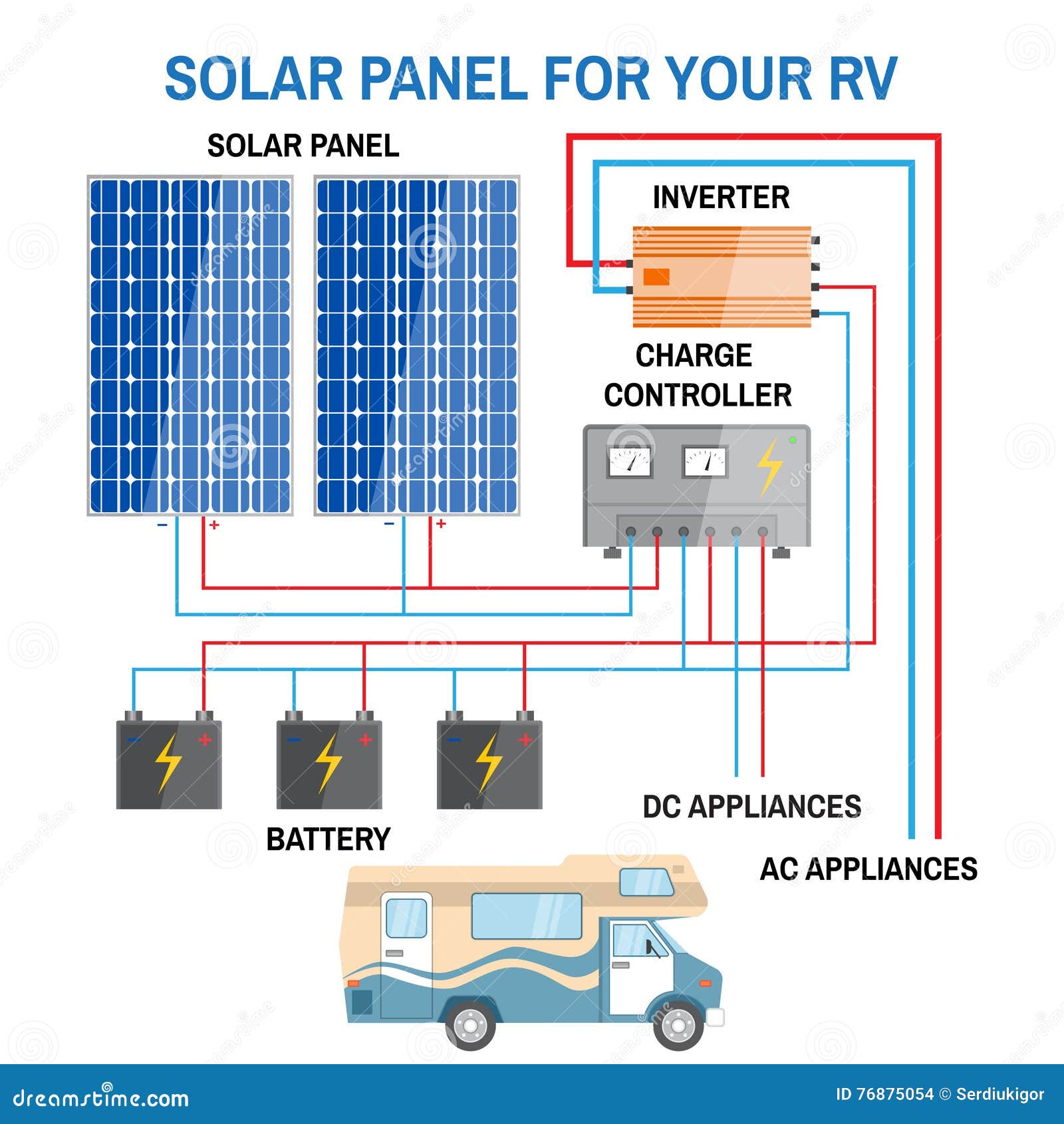
In this article, we will provide a comprehensive guide to off-grid solar power system wiring for RVs and campers, covering the essential components, wiring configurations, and safety considerations. Whether you're a seasoned RVer or a newcomer to the world of off-grid solar power, this article will provide you with the knowledge and confidence to design and install a reliable and efficient solar power system for your RV or camper.
Understanding the Components of an Off-Grid Solar Power System
Before diving into the world of wiring, it's essential to understand the components that make up an off-grid solar power system. These components include:
- Solar Panels: These are the photovoltaic (PV) panels that convert sunlight into electrical energy. The number and type of solar panels required will depend on the size of your RV or camper, your energy needs, and the amount of sunlight available in your camping location.
- Charge Controller: This device regulates the flow of energy from the solar panels to the battery bank, preventing overcharging and ensuring the batteries are charged safely and efficiently.
- Battery Bank: This is the deep cycle battery or battery bank that stores excess energy generated by the solar panels during the day for use at night or during periods of low sunlight.
- Inverter/Charger: This device converts the DC power stored in the battery bank into AC power, which is then used to power your RV or camper's appliances and electrical systems.
- Wiring and Connectors: These are the components that connect the various components of the solar power system together, including the solar panels, charge controller, battery bank, and inverter/charger.

Wiring Configurations for Off-Grid Solar Power Systems
When it comes to wiring an off-grid solar power system for an RV or camper, there are several configurations to consider. The most common configurations include:
- Series Wiring: This configuration involves connecting the solar panels in series, with each panel connected to the next in a linear fashion. Series wiring is suitable for smaller systems with fewer solar panels.
- Parallel Wiring: This configuration involves connecting the solar panels in parallel, with each panel connected to a common busbar or connector. Parallel wiring is suitable for larger systems with more solar panels.
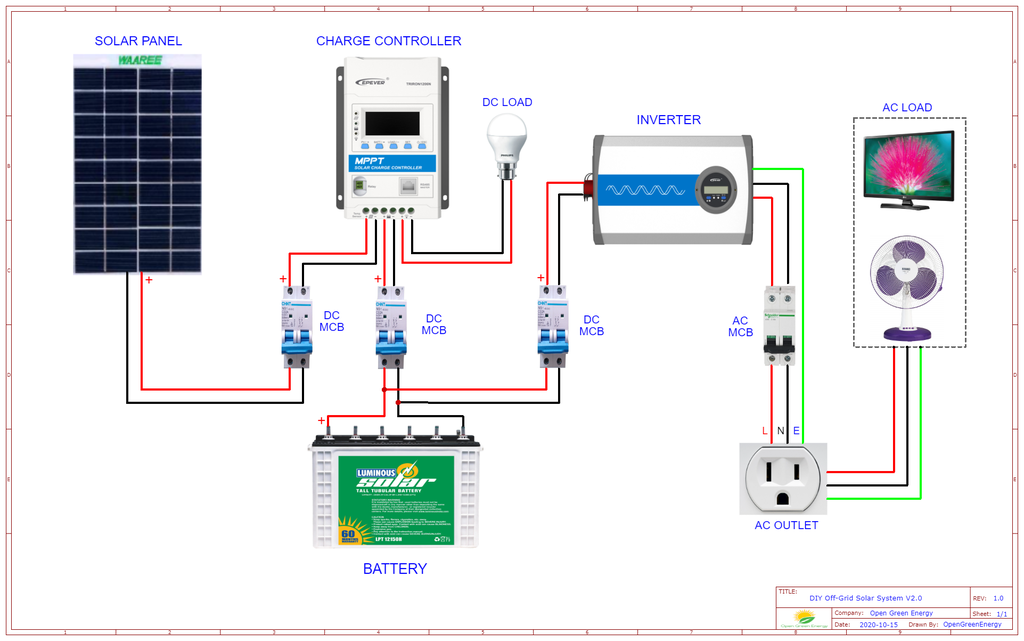
- Series-Parallel Wiring: This configuration involves connecting the solar panels in a combination of series and parallel configurations. This configuration is suitable for larger systems with multiple solar panels and provides the most flexibility in terms of system design.
Wiring Considerations for Off-Grid Solar Power Systems
When designing and installing an off-grid solar power system for an RV or camper, there are several wiring considerations to keep in mind. These include:

- Wire Size and Type: The wire size and type used in the system will depend on the amount of current flowing through the system and the distance between the components. It's essential to use wire that is rated for the maximum current and voltage of the system.
- Connector Type: The connectors used in the system should be rated for the maximum current and voltage of the system and should be suitable for outdoor use.
- Grounding and Bonding: The system should be properly grounded and bonded to prevent electrical shock and ensure safe operation.
- Fusing and Circuit Breakers: The system should include fuses and circuit breakers to protect against overcurrent and electrical shock.
Safety Considerations for Off-Grid Solar Power Systems
When designing and installing an off-grid solar power system for an RV or camper, safety should always be the top priority. Some key safety considerations include:
- Electrical Shock: The system should be designed and installed to prevent electrical shock, with proper grounding and bonding of all components.
- Overcurrent Protection: The system should include fuses and circuit breakers to protect against overcurrent and electrical shock.
- Fire Risk: The system should be designed and installed to minimize the risk of fire, with proper ventilation and heat dissipation.
- Maintenance and Inspection: The system should be regularly maintained and inspected to ensure safe and reliable operation.
Best Practices for Designing and Installing an Off-Grid Solar Power System
When designing and installing an off-grid solar power system for an RV or camper, there are several best practices to keep in mind. These include:
- Conduct a thorough energy audit: Before designing the system, conduct a thorough energy audit to determine your energy needs and identify areas for energy efficiency improvements.
- Choose the right components: Choose components that are suitable for your energy needs and budget, and that meet the necessary safety and performance standards.
- Design the system for maximum efficiency: Design the system to maximize energy efficiency, with proper sizing and configuration of the solar panels, charge controller, battery bank, and inverter/charger.
- Install the system with care: Install the system with care, following all necessary safety protocols and best practices.
- Test and commission the system: Test and commission the system to ensure it is operating safely and efficiently.
Conclusion
Designing and installing an off-grid solar power system for an RV or camper can be a complex process, requiring careful consideration of several key factors, including wiring. By understanding the components of an off-grid solar power system, wiring configurations, and safety considerations, you can design and install a reliable and efficient solar power system that meets your energy needs and provides the freedom to camp in remote areas without being tethered to a power outlet. Whether you're a seasoned RVer or a newcomer to the world of off-grid solar power, this article has provided you with the knowledge and confidence to design and install a solar power system that is safe, efficient, and reliable.
Additional Resources
For those looking for more information on off-grid solar power systems for RVs and campers, there are several additional resources available, including:
- National Electric Code (NEC): The NEC provides guidelines and standards for the design and installation of electrical systems, including off-grid solar power systems.
- Institute of Electrical and Electronics Engineers (IEEE): The IEEE provides guidelines and standards for the design and installation of electrical systems, including off-grid solar power systems.
- RV and Camper Manufacturers: Many RV and camper manufacturers provide guidelines and recommendations for the design and installation of off-grid solar power systems for their vehicles.
- Online Forums and Communities: There are several online forums and communities dedicated to off-grid solar power systems for RVs and campers, where you can connect with other RVers and solar power enthusiasts to ask questions and share knowledge.
By following the guidelines and best practices outlined in this article, and by taking advantage of the additional resources available, you can design and install an off-grid solar power system for your RV or camper that is safe, efficient, and reliable, and that provides the freedom to camp in remote areas without being tethered to a power outlet.


