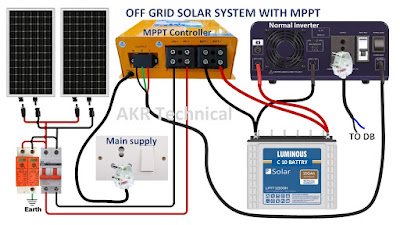
With the increasing demand for off-grid living, RV owners are looking for ways to harness the power of the sun to charge their batteries and power their appliances. However, to maximize the efficiency of solar panels, it's crucial to understand the importance of proper wiring, particularly when connecting solar panels to Maximum Power Point Tracking (MPPT) controllers.

In this article, we'll delve into the world of solar panel to MPPT controller wiring for RVs, covering the basics, benefits, and best practices for optimizing solar panel performance. Whether you're a seasoned RVer or just starting to explore the world of solar energy, this guide will provide you with the knowledge and confidence to take your solar panel system to the next level.
Understanding Solar Panel Basics
Before we dive into the world of wiring, it's essential to understand the basics of solar panels. Solar panels convert sunlight into electrical energy through a process known as photovoltaics (PV). The energy generated by solar panels is in the form of direct current (DC), which needs to be converted to alternating current (AC) to power most appliances.
Solar panels are typically made up of multiple photovoltaic cells, connected in series and parallel to increase the voltage and current output. The output of a solar panel is measured in watts (W), and the voltage and current are measured in volts (V) and amps (A), respectively.
Introduction to MPPT Controllers
MPPT controllers are specialized charge controllers designed to maximize the energy harvested from solar panels. They work by continuously monitoring the voltage and current output of the solar panel array and adjusting the charge rate to ensure the battery is charged at the optimal rate.
MPPT controllers are essential for several reasons:
- Maximum Power Point Tracking: MPPT controllers track the maximum power point of the solar panel array, allowing the system to operate at the optimal voltage and current.
- Efficient Charging: MPPT controllers ensure that the battery is charged efficiently, reducing energy losses and prolonging battery life.

- Overcharge Protection: MPPT controllers protect the battery from overcharging, which can cause damage and reduce its lifespan.
Wiring Solar Panels to MPPT Controllers
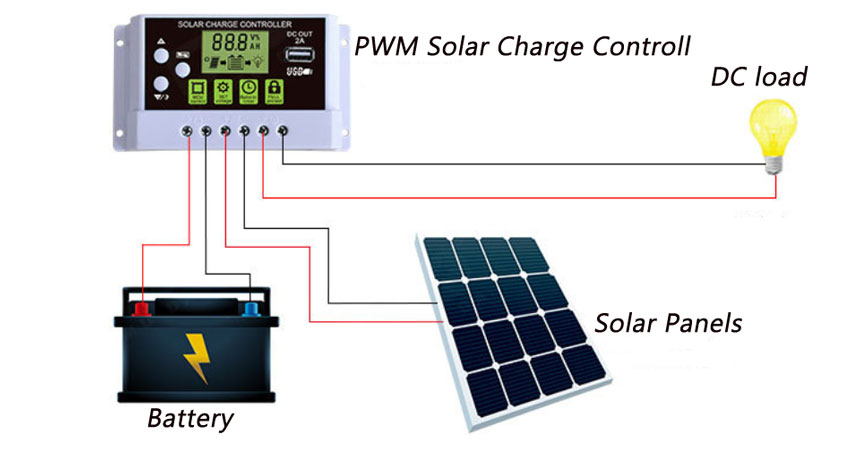
When wiring solar panels to MPPT controllers, it's crucial to follow proper wiring practices to ensure safe and efficient operation. Here are some general guidelines to follow:

- Series and Parallel Connections: Solar panels can be connected in series and parallel to increase the voltage and current output. Series connections increase the voltage, while parallel connections increase the current.
- Positive and Negative Terminals: Identify the positive and negative terminals of the solar panel and MPPT controller. Typically, the positive terminal is marked with a "+" sign, and the negative terminal is marked with a "-" sign.
- Use Suitable Wire: Use suitable wire with the correct gauge and insulation to connect the solar panel to the MPPT controller. The wire should be rated for the maximum current output of the solar panel array.
- Keep Wire Lengths Short: Keep wire lengths as short as possible to minimize energy losses and reduce the risk of electrical shock.
- Use Fuses and Circuit Breakers: Use fuses and circuit breakers to protect the system from overcurrent and short circuits.
MPPT Controller Settings
Once the solar panel is connected to the MPPT controller, it's essential to configure the controller settings to optimize performance. Here are some general guidelines to follow:
- Set the Maximum Power Point Voltage: Set the maximum power point voltage (Vmp) to the recommended value specified by the solar panel manufacturer.
- Set the Maximum Power Point Current: Set the maximum power point current (Imp) to the recommended value specified by the solar panel manufacturer.
- Set the Battery Type and Voltage: Set the battery type and voltage to the correct values, as specified by the battery manufacturer.
- Set the Charge Mode: Set the charge mode to the correct value, such as bulk, absorption, or float.
Best Practices for Solar Panel to MPPT Controller Wiring
To ensure safe and efficient operation, follow these best practices for solar panel to MPPT controller wiring:
- Use a Solar Panel Combiner Box: Use a solar panel combiner box to combine the output of multiple solar panels and reduce the number of wires.
- Use a Fuse or Circuit Breaker: Use a fuse or circuit breaker to protect the system from overcurrent and short circuits.
- Keep the System Grounded: Keep the system grounded to prevent electrical shock and ensure safe operation.
- Monitor the System Performance: Monitor the system performance regularly to ensure optimal operation and identify any potential issues.
- Follow the Manufacturer's Instructions: Follow the manufacturer's instructions for the solar panel, MPPT controller, and other system components to ensure safe and efficient operation.
Common Pitfalls to Avoid
When wiring solar panels to MPPT controllers, there are several common pitfalls to avoid:
- Incorrect Wire Sizing: Using wire that is too small can cause energy losses and reduce system performance.
- Incorrect Connection: Connecting the solar panel to the MPPT controller incorrectly can cause damage to the system and reduce its lifespan.
- Inadequate Grounding: Failing to ground the system properly can cause electrical shock and ensure safe operation.
- Insufficient Ventilation: Failing to provide sufficient ventilation can cause overheating and reduce system performance.
- Lack of Maintenance: Failing to maintain the system regularly can cause premature wear and tear and reduce its lifespan.
Conclusion
Wiring solar panels to MPPT controllers is a crucial step in optimizing solar panel performance in RVs. By following proper wiring practices and best practices, RV owners can ensure safe and efficient operation, maximize energy harvesting, and prolong the lifespan of their solar panel system. Remember to always follow the manufacturer's instructions and consult with a professional if you're unsure about any aspect of the installation process.
As you embark on your solar panel journey, keep in mind that the key to success lies in attention to detail and a commitment to regular maintenance. With the right knowledge and expertise, you can harness the power of the sun to fuel your RV adventures and enjoy the freedom and flexibility that comes with off-grid living. So why wait? Start optimizing your solar panel performance today and take your RV experience to new heights!