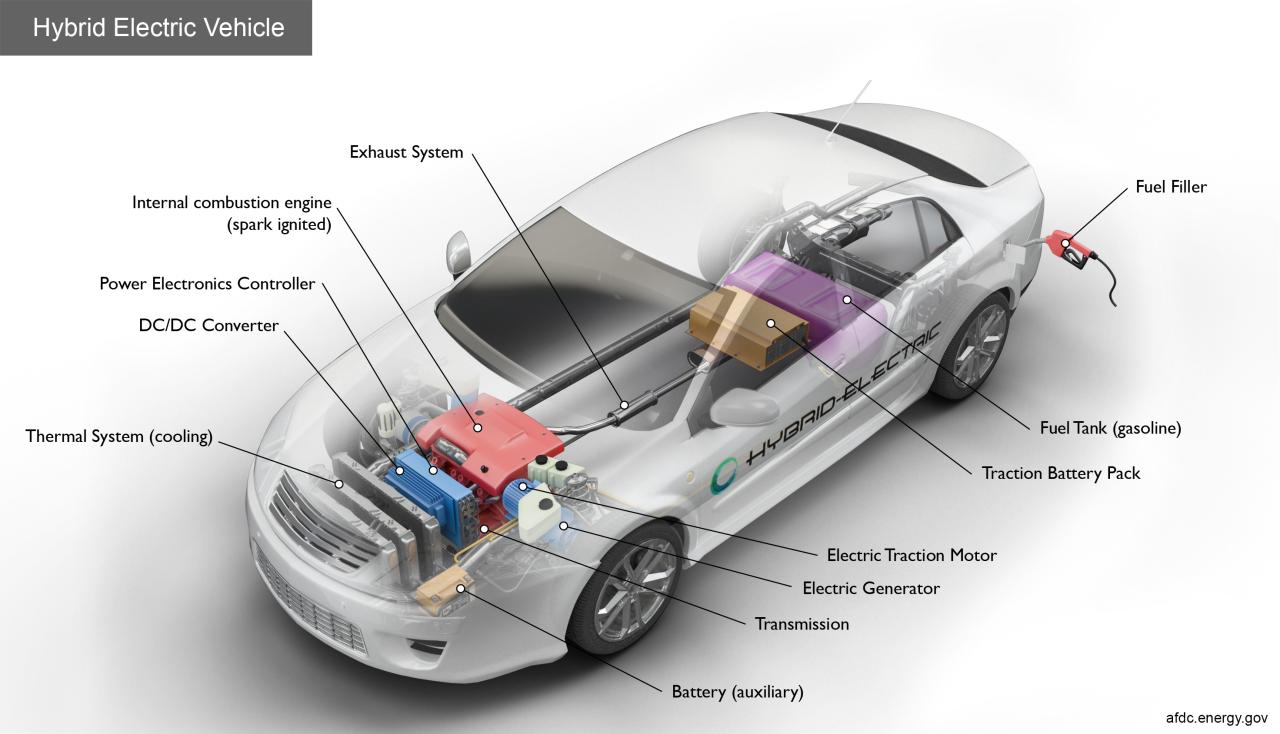
With the increasing demand for Eco-friendly vehicles, the electric vehicle market is experiencing rapid growth, and it's essential to understand the main components that make up these vehicles. In this article, we'll delve into the primary components of electric vehicles, exploring their functions, types, and significance in the EV ecosystem.
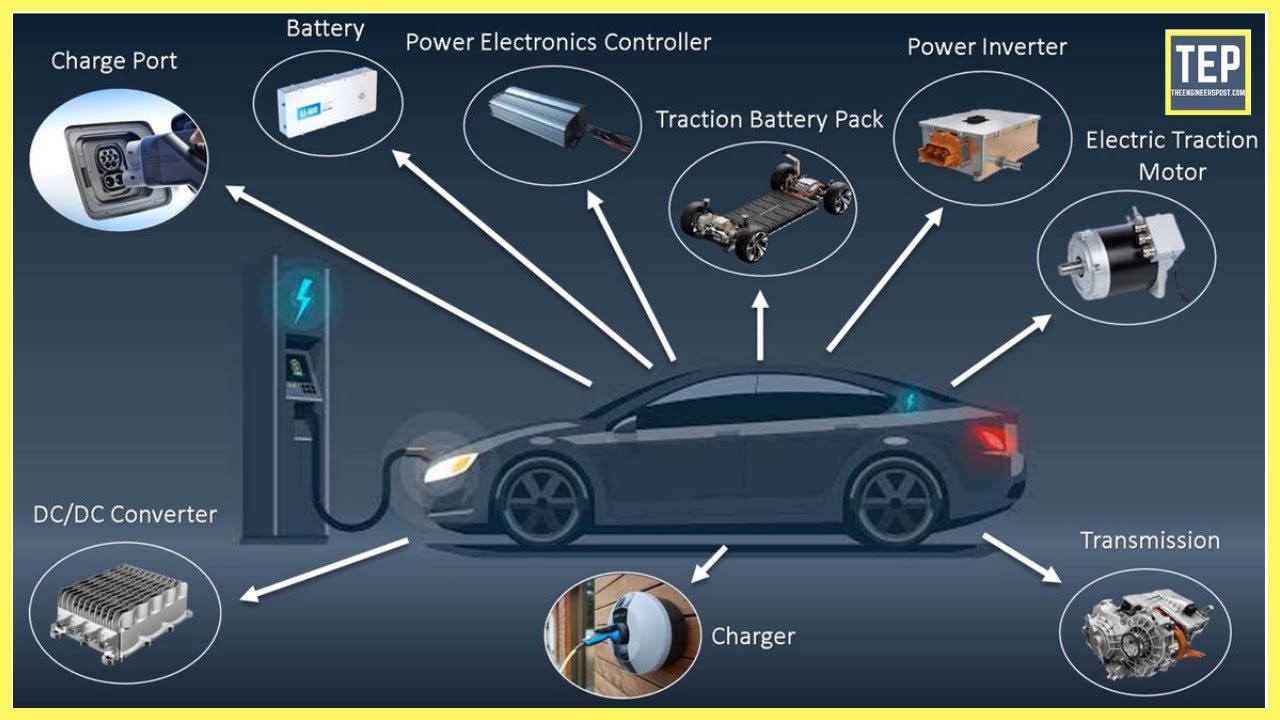
1. Electric Motor
The electric motor is the heart of an electric vehicle, responsible for converting electrical energy into mechanical energy. There are several types of electric motors used in EVs, including:
- DC Motors: Direct Current (DC) motors are simple, reliable, and widely used in EVs. They provide high torque at low speeds, making them suitable for urban driving.
- AC Induction Motors: Alternating Current (AC) induction motors are more efficient and offer better performance at high speeds. They're commonly used in high-performance EVs.
- Permanent Magnet Synchronous Motors: These motors use permanent magnets to create a rotating magnetic field, providing high efficiency and power density.
The electric motor is typically connected to the wheels through a transmission system, which helps to optimize the motor's performance and improve overall efficiency.
2. Battery Pack
The battery pack is the energy storage system of an electric vehicle, responsible for powering the electric motor. Most EVs use Lithium-Ion (Li-ion) batteries, which offer high energy density, long lifespan, and relatively low self-discharge rates. The battery pack consists of multiple individual cells, which are connected in series and parallel to achieve the desired voltage and capacity.
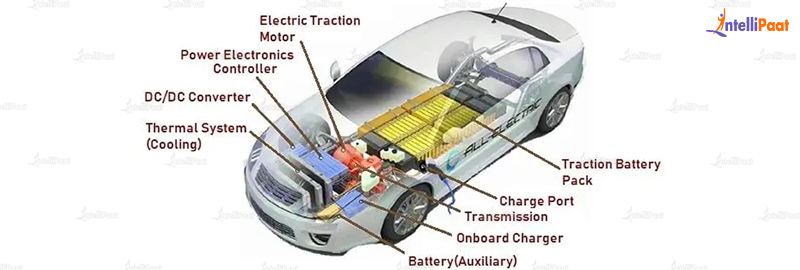
The battery pack is managed by a sophisticated Battery Management System (BMS), which monitors and controls the state of charge, voltage, and temperature of the cells. The BMS ensures safe and efficient operation of the battery pack, preventing overcharging, over-discharging, and overheating.
3. Power Electronics
Power electronics play a crucial role in electric vehicles, responsible for controlling the flow of electrical energy between the battery pack, electric motor, and other onboard systems. The main power electronics components include:
- Inverter: The inverter converts DC power from the battery pack into AC power for the electric motor.
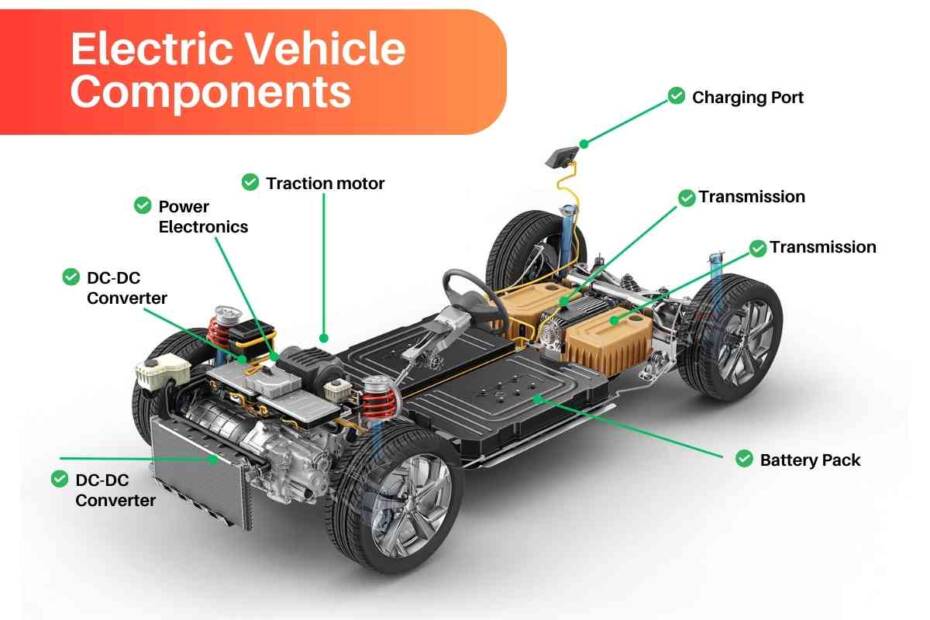
- DC-DC Converter: The DC-DC converter steps down the high voltage from the battery pack to a lower voltage required by the onboard systems, such as the lights, infotainment, and accessories.
- Charging System: The charging system manages the flow of energy from the external power source (e.g., wall socket or charging station) to the battery pack.
4. Transmission and Drivetrain
The transmission and drivetrain system in an electric vehicle is designed to optimize the performance and efficiency of the electric motor. Since electric motors produce high torque at low speeds, EVs often use a single-speed or multi-speed transmission to achieve the desired speed and efficiency. The transmission system may also include a differential to distribute power to the wheels.
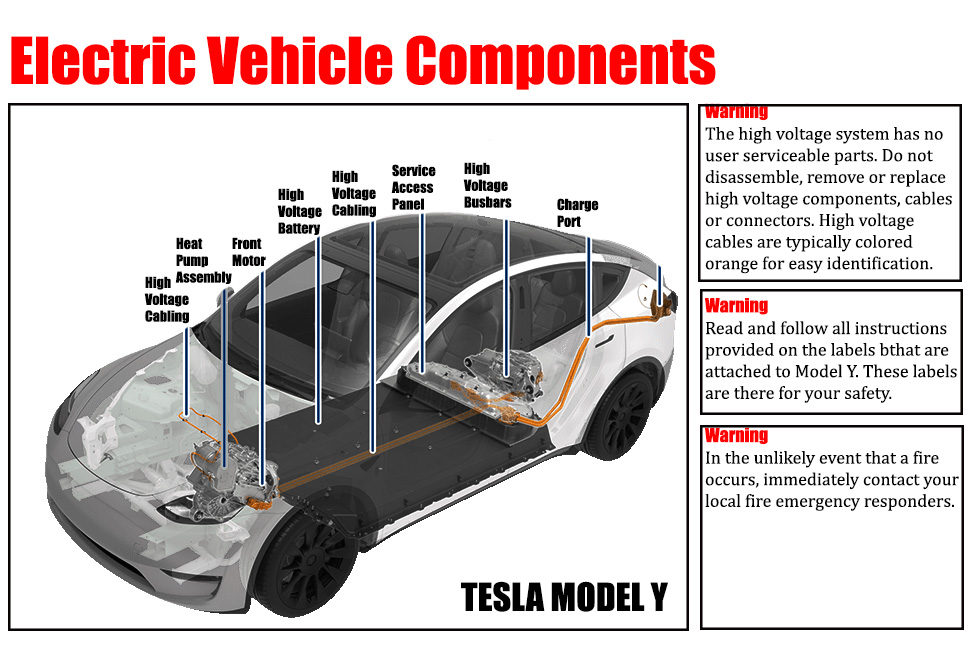
The drivetrain system connects the transmission to the wheels, typically using a shaft or axle. Some EVs use wheel hub motors, where the electric motor is integrated into the wheel hub, eliminating the need for a traditional transmission and drivetrain.
5. Onboard Charger
The onboard charger is responsible for managing the charging process, converting AC power from the external power source into DC power for the battery pack. The onboard charger is usually integrated into the vehicle's electrical system and may include features like:
- Charging control: Regulates the charging process, preventing overcharging and ensuring safe operation.
- Communication: Enables communication with the charging station or wall socket, facilitating charging authentication and payment.
6. Electrical Architecture
The electrical architecture of an electric vehicle refers to the overall design and layout of the electrical systems, including the power electronics, wiring, and connectors. A well-designed electrical architecture ensures safe, efficient, and reliable operation of the vehicle's electrical systems.
7. Thermal Management System
The thermal management system (TMS) is critical in electric vehicles, responsible for regulating the temperature of the battery pack, electric motor, and power electronics. The TMS typically includes:
- Cooling System: Uses air, liquid, or a combination of both to dissipate heat from the electrical components.
- Heating System: Provides warmth to the battery pack and cabin, improving performance and comfort in cold climates.
8. Control Systems
The control systems in an electric vehicle oversee the operation of the various electrical and mechanical systems, ensuring safe, efficient, and optimal performance. The control systems include:
- Vehicle Control Unit (VCU): The VCU is the central computer that manages the vehicle's systems, including the electric motor, transmission, and battery pack.
- Battery Management System (BMS): The BMS monitors and controls the battery pack's state of charge, voltage, and temperature.
Conclusion
In conclusion, the main components of electric vehicles work together to provide a safe, efficient, and environmentally friendly mode of transportation. Understanding these components is essential for designing, developing, and optimizing electric vehicles. As the EV market continues to grow, advancements in technology will lead to improved performance, range, and affordability, making electric vehicles an increasingly attractive option for consumers.
The future of electric vehicles is exciting, with ongoing research and development focused on improving the efficiency, sustainability, and affordability of EVs. As we move towards a more sustainable transportation system, it's essential to stay informed about the latest developments and innovations in electric vehicle technology.
Future Outlook
As the demand for electric vehicles continues to grow, we can expect significant advancements in the main components of EVs. Some potential developments include:
- Improved Battery Technology: More efficient, higher-capacity batteries will enable longer driving ranges and faster charging times.
- Advanced Electric Motors: More efficient and powerful electric motors will improve performance and reduce energy consumption.
- Increased Adoption of Autonomous Technology: Autonomous vehicles will rely on advanced electric vehicle technology, including sophisticated control systems and high-performance computing.
The electric vehicle industry is poised for significant growth, driven by government regulations, technological advancements, and increasing consumer demand. As we move towards a more sustainable transportation system, it's essential to stay informed about the latest developments and innovations in electric vehicle technology.