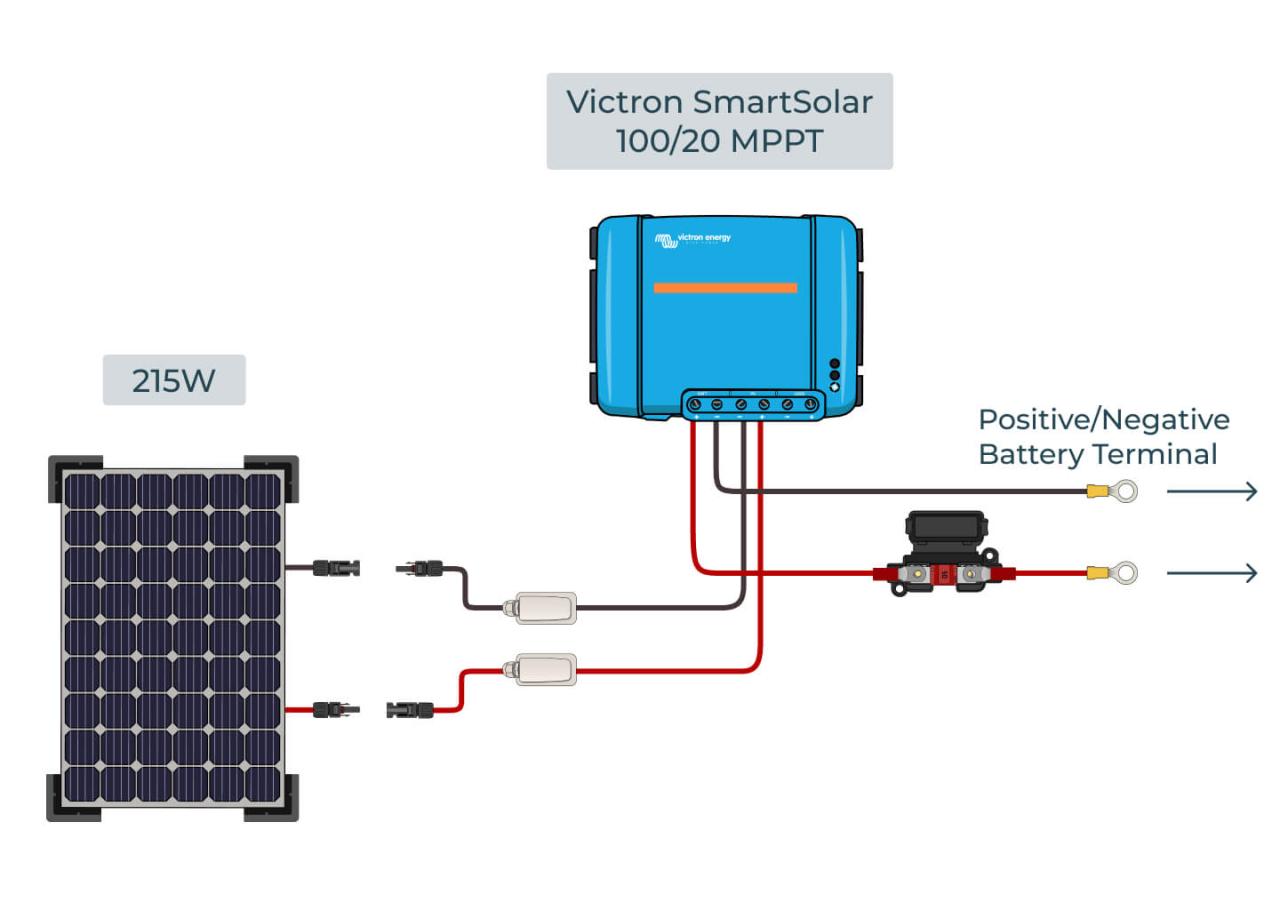
At the heart of an off-grid solar system lies the Maximum Power Point Tracking (MPPT) controller, which plays a crucial role in optimizing energy harvest and ensuring efficient system operation. In this article, we will delve into the world of off-grid solar system wiring with MPPT controllers, exploring the fundamentals, best practices, and common challenges associated with this technology.
Introduction to Off-Grid Solar Systems
An off-grid solar system is a self-sufficient energy system that generates electricity from solar panels and stores it in batteries for later use. These systems are ideal for remote areas, rural homes, and applications where grid connection is not feasible or desirable. The primary components of an off-grid solar system include:
- Solar Panels: Convert sunlight into DC electricity
- MPPT Controller: Regulates the flow of energy from the solar panels to the batteries
- Batteries: Store excess energy for later use
- Inverter/Charger: Converts DC power to AC power for household use
- Load: The appliances and devices that consume the generated electricity
Understanding MPPT Controllers

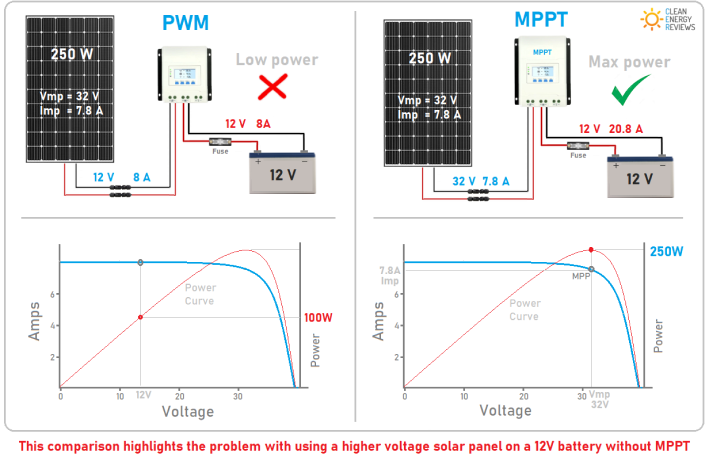
An MPPT controller is an electronic device that tracks the maximum power point of a solar panel array and adjusts the system's voltage to optimize energy harvest. MPPT controllers can increase energy production by up to 30% compared to traditional pulse width modulation (PWM) controllers. The key benefits of MPPT controllers include:
- Maximum Power Point Tracking: Optimizes energy harvest by tracking the maximum power point of the solar panel array
- High Efficiency: Minimizes energy losses and maximizes system efficiency
- Flexibility: Can handle a wide range of solar panel configurations and battery types
Wiring an Off-Grid Solar System with MPPT Controller
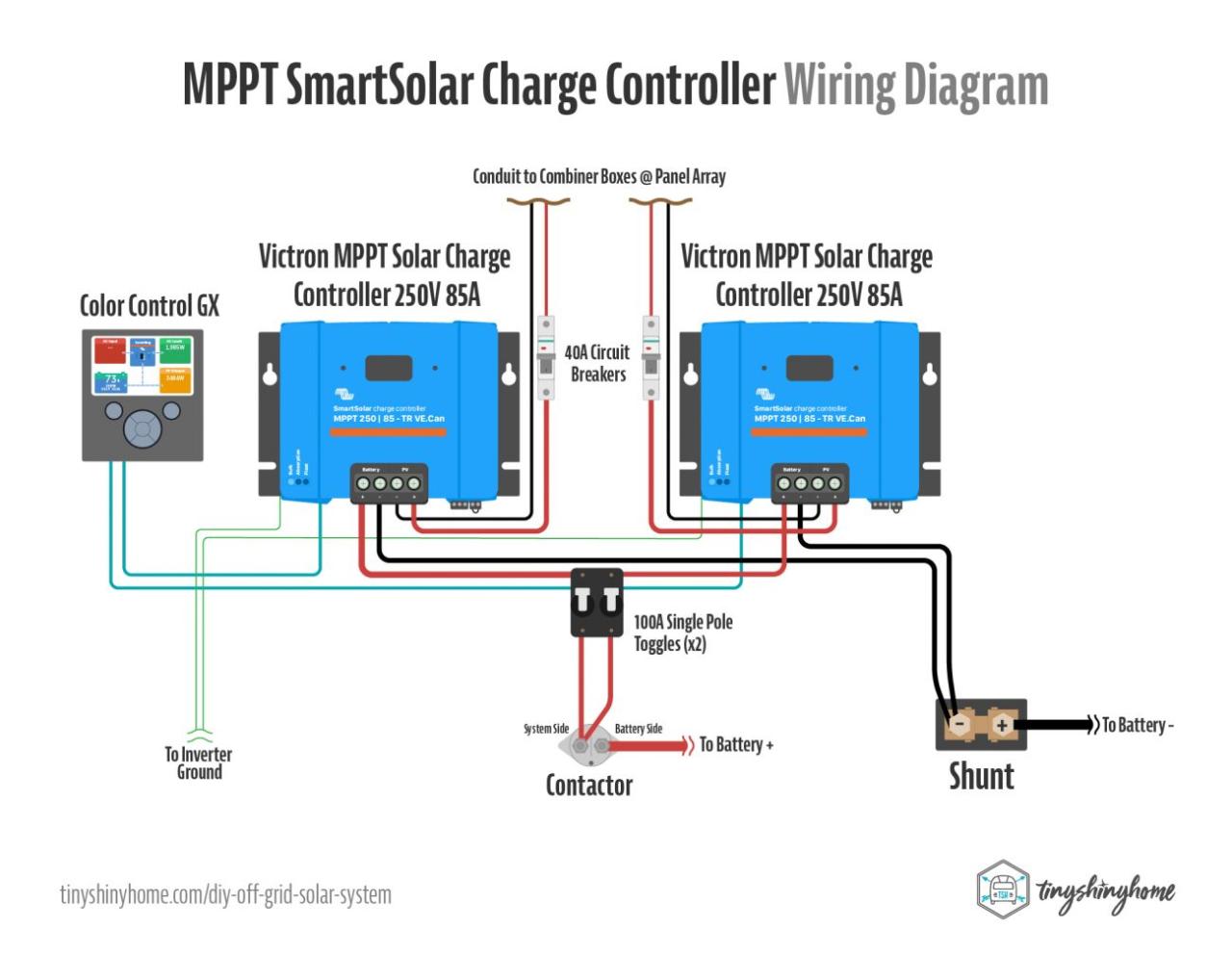
Proper wiring is essential for a safe and efficient off-grid solar system. The following steps outline the basic wiring procedure:
- Solar Panel Array: Connect the solar panels in series and/or parallel to achieve the desired voltage and current output.

- MPPT Controller: Connect the solar panel array to the MPPT controller's input terminals.
- Batteries: Connect the MPPT controller's output terminals to the batteries.
- Inverter/Charger: Connect the batteries to the inverter/charger.
- Load: Connect the inverter/charger to the load (appliances and devices).
Best Practices for Off-Grid Solar System Wiring
To ensure a safe and efficient off-grid solar system, follow these best practices:
- Use Proper Wire Sizing: Choose wire sizes that can handle the maximum current output of the solar panel array and MPPT controller.
- Minimize Wire Length: Keep wire lengths as short as possible to reduce energy losses and voltage drop.
- Use Fuses and Circuit Breakers: Protect the system from overcurrent and short-circuit conditions.
- Grounding and Bonding: Ensure proper grounding and bonding of the system to prevent electrical shock and equipment damage.
- Monitor and Maintain the System: Regularly inspect and maintain the system to ensure optimal performance and extend its lifespan.
Common Challenges and Solutions
Off-grid solar systems with MPPT controllers can present several challenges, including:
- Voltage Drop: Minimize wire lengths and use proper wire sizing to reduce voltage drop.
- Overcharging: Adjust the MPPT controller's settings to prevent overcharging and prolong battery lifespan.
- Undercharging: Ensure the system is properly sized to meet the load's energy requirements.
- Inverter/Charger Compatibility: Choose an inverter/charger that is compatible with the MPPT controller and batteries.
- System Monitoring: Use monitoring systems to track the system's performance and identify potential issues.
Case Study: Off-Grid Solar System with MPPT Controller
A remote farmhouse in rural Australia required an off-grid solar system to power its appliances and devices. The system consisted of:
- Solar Panel Array: 4 kW solar panel array with 12 panels in series and 2 strings in parallel
- MPPT Controller: 60 A MPPT controller with a maximum power point tracking efficiency of 99%
- Batteries: 24 V, 1000 Ah deep cycle battery bank
- Inverter/Charger: 5 kW inverter/charger with a built-in charger and transfer switch
- Load: The farmhouse's appliances and devices, including lights, refrigerators, and computers
The system was designed to provide 12 hours of backup power during periods of low sunlight. The MPPT controller optimized energy harvest, and the batteries stored excess energy for later use. The inverter/charger converted the DC power to AC power, and the transfer switch automatically switched between the solar system and a backup generator during periods of low sunlight.
Conclusion
Off-grid solar systems with MPPT controllers offer a reliable and efficient way to generate renewable energy. Proper wiring, system design, and maintenance are crucial for optimal performance and longevity. By following best practices and addressing common challenges, homeowners and installers can ensure a safe and efficient off-grid solar system that meets their energy needs. As the world continues to transition towards renewable energy, off-grid solar systems with MPPT controllers will play an increasingly important role in providing energy independence and reducing our reliance on fossil fuels.